Guide details
Best time to visit
November to February
How to get there
Across the city, best by metro and auto
Highlights
Marina Beach, Mylapore’s temples, Fort St. George and a day trip to Mahabalipuram
Good for
Everyone, from culture lovers to beachgoers
Price range
Mostly free
Chennai does not hand its charms to you on a plate. It is hot, it is loud, the traffic can eat an afternoon, and the coastline that everyone photographs is not one you can swim in. But once you accept those terms, this is a city with an extraordinary amount to do: living temples, museum halls full of Chola bronzes, some of the best food in south India, a beach culture built around sunset walks rather than swimming, and day trips to sites that go back over a thousand years.
This guide groups things to do by activity rather than by landmark, so you can build a trip around what you actually feel like doing, whether that is eating, praying, shopping, or simply getting out of the heat with the kids. It is meant to sit alongside a straight list of sights, and it works best if you use it that way, picking one or two themes a day rather than trying to chase everything at once. Read on for the full spread, and see the planning notes at the end for how to fit it all together.
Walk the beaches at sunset
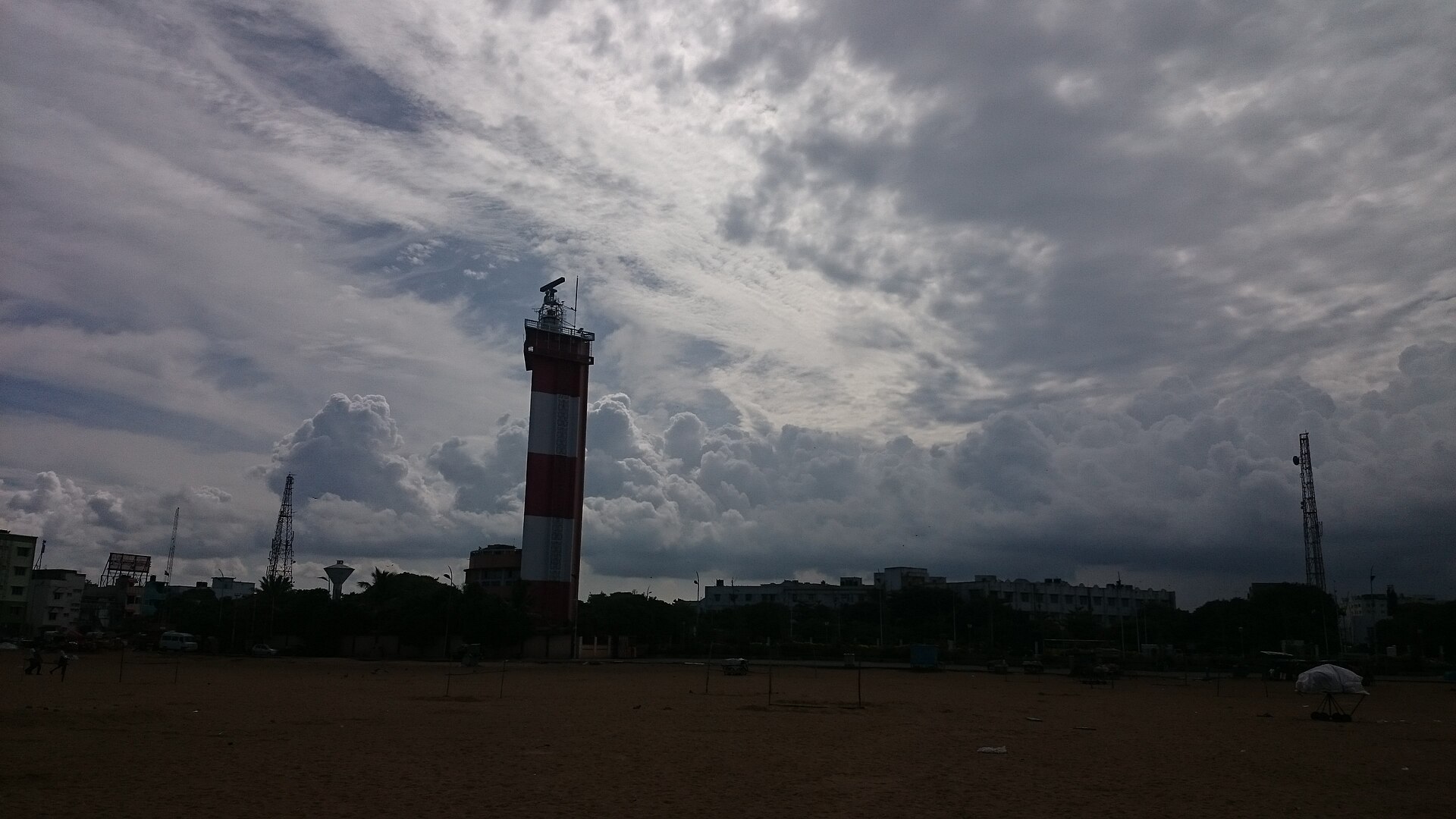
Chennai’s beaches are for walking, eating and watching the sky, not for swimming. The currents along this stretch of the Bay of Bengal are genuinely dangerous, and locals treat the water with respect rather than treading in. Marina Beach is the big one, a long promenade backed by the old lighthouse, with hawkers selling sundal, bhel and roasted corn as the light goes gold. It gets crowded, especially at weekends, and that is half the fun, though it is worth keeping an eye on belongings in the crush. For something quieter, head south to Besant Nagar Beach, known locally as Elliot’s Beach, where the pace is gentler and there are proper cafes nearby for a coffee once you have had enough sand between your toes. Both beaches are at their best in the hour before sunset and again after dark, when families come out for an evening stroll and the day’s heat has finally broken. Neither is a place to swim, whatever the water looks like from the shore, so treat a Chennai beach trip as a walk and a snack rather than a swim and a suntan.
Visit the great temples
Temples are not museum pieces here, they are working places of worship, and that is what makes them worth visiting. The Kapaleeshwarar Temple in Mylapore is the obvious starting point, with its tall painted gopuram and a temple tank that has anchored this neighbourhood for centuries. Go early morning or in the evening when the light is soft and the crowds are thinner, and dress modestly, covering shoulders and knees, as you would for any working temple. Beyond the temple itself, old Mylapore rewards slow wandering, its narrow lanes hold flower sellers, filter coffee stalls and some of the city’s oldest houses, and there is no better way to feel the rhythm of traditional Chennai than an unhurried hour spent getting a little lost here. Chennai has hundreds of other temples worth a look too, from small neighbourhood shrines to grander complexes further out, but almost all of them share the same rules: modest dress, bare feet inside, and a midday closure that catches first-time visitors out, so plan temple time for the morning or the evening rather than the middle of the day.
See world-class art and history
Chennai’s museums and colonial buildings tell a much longer story than the modern city suggests. The Government Museum in Egmore holds one of the finest collections of Chola bronzes anywhere, along with archaeology, natural history and a striking round theatre building, and it is easily worth two or three hours if you have any interest in south Indian art. For colonial-era history, Fort St George is where the city effectively began, a fortified compound that now houses a museum and the Tamil Nadu legislative assembly, with St Mary’s Church inside claiming to be the oldest Anglican church east of Suez. Nearby, San Thome Basilica is worth the detour too, a striking white cathedral built over the tomb believed to belong to the apostle Thomas, and one of only three churches in the world built over the tomb of an apostle. Between the three, you get a rare, tightly packed overview of how Chennai’s history layers together: an ancient temple culture, several centuries of European trading power, and a Christian pilgrimage tradition that predates most of the colonial buildings by a long way. If you enjoy this kind of thing, give yourself the better part of a day to cover all three properly rather than rushing between them.
Eat your way around the city
Food is arguably Chennai’s best reason to visit. Start each day the local way, with a strong filter coffee and a plate of idli or a crisp dosa from a no-frills darshini, then work outward from there. Chettinad food, from the Chettiar community south of the city, brings fiery, deeply spiced curries built on roasted spice blends, and it is worth seeking out a proper Chettinad restaurant at least once. Then there is Chennai biryani, including the distinctive Dindigul style with its short-grain seeraga samba rice, which locals argue about with real passion. Balance the heavier meals with an evening at one of the city’s growing number of rooftop bars and fine-dining rooms, many with sea breezes and skyline views, and save room for a stop at one of the old sweet shops, where jangiri, mysore pak and badam halwa are sold by weight and eaten within the hour. None of this needs much planning. Some of the best meals in Chennai come from small, unremarkable-looking places with a queue outside, and following your nose, or a recommendation from whoever you are staying with, tends to work better than chasing a list of names.
Shop like a local
T Nagar is Chennai’s shopping heartland, and it is not a gentle experience. Its streets are packed year round with shoppers hunting silk sarees and gold jewellery, and the noise, traffic and sheer density of shopfronts can be overwhelming on a first visit, but that intensity is exactly what makes it worth seeing, even if you leave without buying anything. If you would rather shop somewhere air-conditioned and calmer, Chennai’s malls, clustered mainly along the southern parts of the city, offer the same brands you would find anywhere else along with a welcome escape from the heat during the hottest part of the day. A sensible way to handle both is to treat T Nagar as a morning mission with a clear goal, whether that is a saree or a specific piece of jewellery, and save the malls for the afternoon slump when air conditioning matters more than atmosphere.
Family days out
Chennai has plenty to keep children entertained beyond temples and museums. Vandalur Zoo, officially the Arignar Anna Zoological Park, is one of the largest zoos in the country and a full half-day out on its own. The Birla Planetarium in Kotturpuram runs regular sky shows that work well for a hot afternoon indoors, and on the city’s outskirts a cluster of amusement and water parks, including VGP, MGM, Queensland and Wonderla, give older kids a proper day of rides and water slides. Closer to the centre, Semmozhi Poonga botanical garden offers a green, calmer break near the museum area, and Guindy National Park has a dedicated Children’s Park and Snake Park that make a good, low-key stop if the bigger parks feel like too much. Most of these family sights involve a fair bit of walking in the open, so plan them for morning or late afternoon where you can, and carry water, hats and sunscreen regardless of the time of year, since Chennai’s sun does not let up much even outside the hottest months.
Take a day trip
Some of the best things near Chennai are not in Chennai at all. Mahabalipuram, around two hours south, is the standout, a UNESCO World Heritage cluster of Pallava-era rock-cut monuments and the beautifully weathered Shore Temple, set right on the coast. On the way there or back, DakshinaChitra is a heritage village that has reassembled traditional houses from across south India, giving a good, compact sense of regional architecture and craft. Kanchipuram, the temple town famous for its silk weaving, makes a good half-day trip focused on temples and saree shopping rather than beaches. If you have longer, Pondicherry, the former French colonial town a few hours down the coast, is a popular overnight trip for its old quarter and seafront promenade. Birdwatchers should aim for Pulicat Lake north of the city, where flamingos and other migratory birds gather in season, and surfers or anyone wanting a slower beach fix should look at Kovalam, the coastal village that has become the centre of Chennai’s small surfing scene. Most of these trips are comfortably doable in a single long day from Chennai with a hired car or driver, though Mahabalipuram in particular rewards an overnight stay if you can spare it, since the ruins and the fishing village around them are a different, quieter experience once the day-trip crowds have gone home.
Experience the culture
If your visit falls between roughly mid-December and mid-January, you have landed in the middle of Margazhi, the city’s famous music and dance season, when hundreds of Carnatic music concerts and Bharatanatyam performances run across sabhas and halls citywide. It is one of the great classical arts festivals anywhere in the world, and even a single evening at a concert gives a real sense of why Chennai considers itself the custodian of these traditions. Kalakshetra, the renowned dance and arts institution on the edge of the city, is worth a visit at any time of year for anyone interested in Bharatanatyam and Carnatic music, with a campus and teaching tradition that has shaped Indian classical arts for decades. And Chennai is, of course, the beating heart of Tamil cinema, Kollywood, so a visit to a big single-screen cinema for a new release, ideally with a loud, enthusiastic weekend crowd, is its own kind of cultural experience. Even outside the big festival window, look out for smaller concerts, dance recitals and art shows advertised in the local papers or on noticeboards around Mylapore and T Nagar, since Chennai’s cultural calendar runs quietly all year and does not only switch on in December.
Planning your time
Two things shape almost every plan in Chennai: heat and traffic. The comfortable season runs from November to February, when temperatures are more forgiving and the humidity eases off; outside those months, plan indoor and shaded activities for the middle of the day. Whatever the season, mornings and evenings are the best windows for anything outdoors, from temple visits to beach walks, and temples typically close for a few hours around midday, so build that into your timing. For getting around, the metro is by far the least stressful option across the city, cutting out the worst of the road traffic that can otherwise turn a short crosstown trip into an hour-long crawl. If you are trying to work out an order for all of this, our places to visit in Chennai guide organises the sights geographically, and the one day in Chennai itinerary is a good template even if you have more time and simply want a sensible starting route.
Chennai rewards a bit of patience. Give it a few days, pace yourself around the heat, eat constantly, and you will come away with a much richer sense of the city than the handful of famous landmarks ever suggest on their own.