Guide details
Best time to visit
Pleasant most of the year. November to March is coolest and most comfortable. April to June is warmer and hosts the summer festival, the busiest period. Monsoon months bring lush greenery and a fuller waterfall, with a higher chance of rain. Always milder than Ooty or Kodaikanal.
How to get there
Roughly 230 km from Chennai, about 4 to 4.5 hours by road, making it one of the closest proper hill stations to the city. Just off the Chennai to Bangalore highway. Nearest railhead is Jolarpettai, about 20 to 25 km away.
Highlights
Punganoor Lake and boating, Nature Park and Herbal Farm, Swamimalai Hills trek and sunrise view, Jalagamparai Falls, Velavan Temple, paragliding, Yelagiri Summer Festival, orchards and rose gardens, cycling and trekking trails
Good for
First time hill station visitors, families with children, small groups and weekend travellers from Chennai or Bangalore wanting a quiet, low effort, budget friendly getaway
Price range
Generally affordable. Budget cottages and lodges from around Rs 1000 to 2000 a night, mid range resorts roughly Rs 2500 to 5000 a night, and a few nicer resorts above that. Meals and local travel are inexpensive throughout.
Yelagiri, sometimes spelled Yellagiri, is a small hill station tucked into the Eastern Ghats of Tirupattur district in Tamil Nadu, an area that was until recently part of Vellore district. It sits at roughly 1000 to 1100 metres, a cluster of villages arranged around a wide, bowl shaped valley, and it lies just off the highway that connects Chennai and Bangalore. That location is really the point of Yelagiri. It is close enough to be a genuine weekend trip, yet high enough to feel like a proper change of air once you are up there. For years it has drawn people over from both Chennai and Bangalore who want cool breezes, quiet roads and orchards without giving up an entire week to get there. It has also built a name for two rather different things, gentle adventure activities such as paragliding and trekking, and a cheerful annual summer festival that fills the valley with flowers, boat races and colour.
About Yelagiri
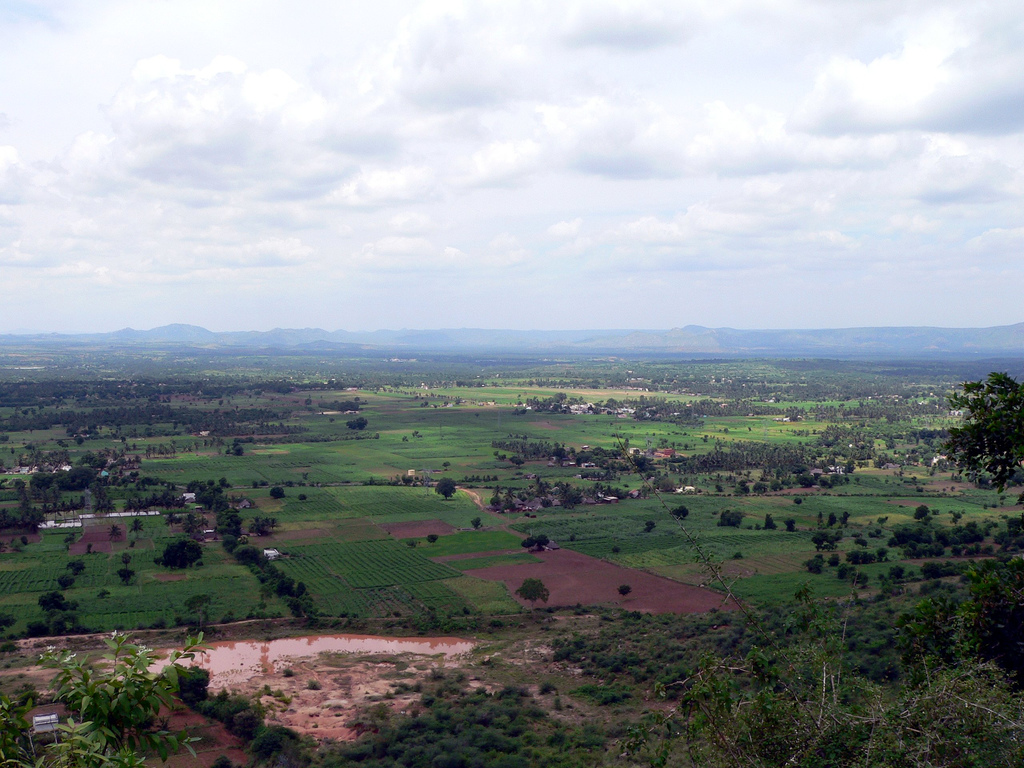
The climb up to Yelagiri is part of the experience in itself. From the base near the highway, the road winds through 14 hairpin bends before it settles into the valley, a stretch that locals and regular visitors talk about almost as much as the hill station itself. Once up top, Yelagiri turns out to be made up of around 14 small villages scattered across the plateau, with Athanavur functioning as the main settlement and the centre of whatever little commercial activity exists. The valley is ringed by orchards, rose gardens and patches of forest, and jackfruit trees are a common sight in the growing season. Because Yelagiri sits lower than hill stations like Ooty or Kodaikanal, it is noticeably milder rather than properly cold, which suits people who want pleasant weather without needing jackets and heaters. What stands out most, though, is how quiet and uncommercial it still feels. There are no crowds of shops selling the same souvenirs, no traffic jams, and evenings are genuinely peaceful.
Punganoor Lake
At the centre of Yelagiri is Punganoor Lake, a small man made lake that functions as the hub of the town. Most visitors end up here at some point, whether for a slow walk around the surrounding park, a spot of pedal or row boating, or simply to sit and watch the musical fountain in the evening. It is not a grand or dramatic sight, but that is rather the charm of it. Families with children tend to gravitate here, and it is an easy, low effort way to spend an hour or two without any planning.
Nature Park and Herbal Farm
Close to the lake is a Nature Park, sometimes referred to locally as a herbal farm, laid out with walking paths, flower beds and a collection of plants used in traditional medicine. It is a pleasant, unhurried stop, particularly if you are travelling with older relatives or young children who would rather stroll than trek. Combined with the lake, this cluster forms the easiest half day of sightseeing that Yelagiri has to offer.
Swamimalai Hills
For anyone who wants a bit more effort and reward, Swamimalai Hills, also called Swamimalai Betta, is the highest point in Yelagiri and its best known trek. The climb is not technically difficult, but it is long enough to feel like a proper hike, and most people prefer to take a local guide, both to find the right trail and to get some background on the area along the way. Those who start early are rewarded with genuinely good sunrise views over the valley and surrounding ranges. Trekking is one of the main reasons adventure minded travellers put Yelagiri on their list, and Swamimalai is usually the centrepiece of that.
Jalagamparai Falls
On the outskirts of Yelagiri lies Jalagamparai Falls, a waterfall that is at its best in the months right after the monsoon, when the flow is strong and the surrounding greenery is at its thickest. Reaching it usually involves a combination of a drive and a short walk or trek down, depending on conditions and the season. It is worth knowing that the falls can run dry or reduce to a trickle during the peak of summer, so it is not a guaranteed sight if you are visiting in the hotter months, but it remains one of the more scenic outings from the main town.
Temples and small sights
Yelagiri also has its share of small temples dotted across the villages, the best known of which is the Velavan Temple, dedicated to Murugan. These are modest, community temples rather than major pilgrimage sites, but they add to the unhurried, village like character of the place and are worth a stop if you are passing by, especially for anyone interested in the everyday religious life of the area.
Paragliding and adventure activities
Yelagiri has quietly become one of the more accessible spots in Tamil Nadu for paragliding, thanks to the open slopes and reliable wind conditions around the valley. Paragliding is available through much of the year but is especially popular during the summer festival, when operators and enthusiasts gather in numbers. Beyond paragliding, the area supports a fair bit of general adventure activity, including trekking trails across the hills, some rock climbing spots and cycling routes through the villages and orchards. Nilavoor Lake, a quieter and less developed stretch of water compared to Punganoor, is another spot some visitors head to, and there is a telescope house on higher ground that appeals to anyone curious about stargazing or simply taking in the wider view. None of this is heavily commercialised, so it suits travellers who want a taste of adventure sport without the scale or expense of bigger adventure tourism hubs.
Yelagiri Summer Festival
The single busiest time of year in Yelagiri is the summer festival, usually held around May or June. It turns the sleepy valley into a genuinely lively place for a few days, with a flower show, a boat race on Punganoor Lake, cultural performances, paragliding demonstrations and even a dog show among the usual line up. If you enjoy a bit of festive energy and do not mind sharing the hill station with more visitors than usual, this is a good window to plan around. If you would rather have Yelagiri to yourself, it is worth avoiding these dates and choosing a quieter month instead.
Orchards, gardens and the valley itself
A lot of Yelagiri’s appeal is simply in the landscape rather than any single attraction. The orchards and rose gardens scattered across the villages, the jackfruit trees, and the general sense of a cool, green valley tucked away from the plains below are what many visitors remember most. It rewards slow travel, wandering roads on foot or by bicycle rather than rushing between named sights.
Where to stay
Accommodation in Yelagiri is generally affordable and caters well to budget and mid range travellers. There are simple cottages and lodges scattered through the villages, a good number of mid range resorts with basic amenities, and a handful of nicer resort style properties for those who want more comfort. Overall costs are noticeably lower than at bigger hill stations such as Ooty or Kodaikanal. The one thing worth planning around is the summer festival and regular weekends, when the limited number of rooms fills up quickly, so booking a little in advance is sensible if you are travelling during those periods.
Best time to visit
Yelagiri is pleasant for most of the year, which is part of its appeal. November to March tends to be the most comfortable stretch, with cool, clear weather that suits sightseeing and trekking alike. Summer, from April to June, is warmer but still milder than the plains, and it is when the festival takes place, making it the busiest period despite the heat. The monsoon months bring the valley to its greenest, with the waterfall running well and the orchards looking their best, though there is naturally a higher chance of rain disrupting plans. Because Yelagiri sits lower than the bigger hill stations, it never gets as cold as Ooty or Kodaikanal, so pack for mild weather rather than a proper winter.
Getting there
One of the biggest reasons Yelagiri works so well as a quick trip is simply how close it is. It lies roughly 230 km from Chennai, which usually works out to about 4 to 4.5 hours by road, making it one of the closest proper hill stations to the city and a realistic option for a weekend rather than a longer holiday. For a fuller breakdown of routes and travel time, our Chennai to Yelagiri guide covers the journey in more detail. The nearest railhead is Jolarpettai, about 20 to 25 km from the hill station, and Yelagiri sits just off the highway that runs between Chennai and Bangalore, so it is easy to reach by car, bus or a short taxi ride from the station. Compared with the other well known hill stations near Chennai, Yelagiri stands out simply for being the nearest one that still feels genuinely like a hill station rather than a hilltop suburb.
Practical tips
- The 14 hairpin bends on the way up can bring on carsickness for some travellers, so plan accordingly if you or anyone travelling with you is prone to it.
- Yelagiri is small. A day or two is generally enough to cover the lake, the park, a trek and one or two other sights, so there is no need to over plan the itinerary.
- Carry cash, since smaller shops, lodges and local guides in the villages may not always have card or digital payment options.
- If you plan to trek up Swamimalai Hills, going with a local guide is the sensible choice, both for safety and for finding the best route.
- Set your expectations correctly. Yelagiri is quieter and far less developed than the bigger hill stations, which is exactly its appeal, but it means fewer restaurants, shops and organised activities.
- Weekends and the summer festival period get noticeably busier, so book accommodation ahead if you are travelling then.
Yelagiri is not trying to compete with Ooty or Kodaikanal, and it does not need to. What it offers instead is a short, cheap and low effort escape into the hills, close enough to reach on a weekend and simple enough that you do not need much of a plan once you get there. For first time hill station visitors, families with young children, or a small group looking for a quiet couple of days away from the city, it is hard to think of a more convenient option this close to Chennai.