Guide details
Best time to visit
September to March is most comfortable; the monsoon (June to September) is wet, misty and best for greenery lovers who do not mind rain
How to get there
Fly or take the train from Chennai to Coimbatore, then drive roughly 100 km via Pollachi and up the 40 hairpin bends to Valparai; allow a full day
Highlights
Tea estates, 40 hairpin bends, Anamalai Tiger Reserve, lion-tailed macaque, Aliyar Dam, Monkey Falls, Sholayar Dam, Nirar Dam
Good for
wildlife and birdwatching, plantation stays, slow travel, road trips, nature photography, couples and small groups wanting quiet
Price range
Budget homestays from around Rs 1,500 to 2,500 a night, plantation bungalows and resorts roughly Rs 3,500 to 8,000, home-style meals Rs 150 to 300 a plate
Valparai is not a place you stumble into on the way to somewhere else. It sits high in the Anamalai Hills, at the far end of a road that climbs through forest and estate for the better part of two hours, and that distance is exactly what keeps it the way it is. There are no rows of shops selling plastic souvenirs here, no traffic jams of tourist cabs. What there is instead is tea, spread across the hills in every direction, and a stillness that takes a day or two to properly sink into.
If you have already done Ooty and Kodaikanal and found them a bit too crowded for what they used to promise, Valparai is worth the extra effort. It rewards people who are happy to slow down, get up early for birds, and accept that the phone signal might drop out for a while.
About Valparai
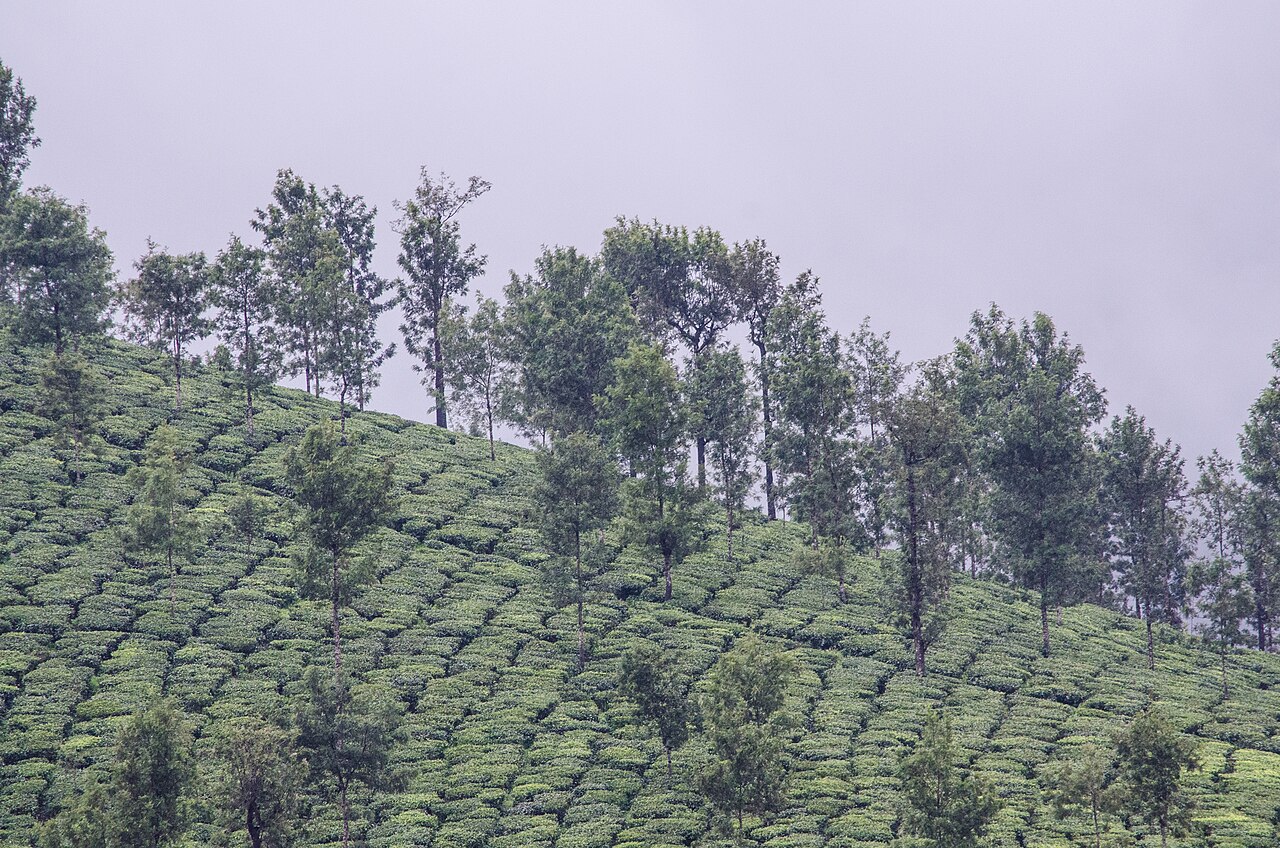
Valparai is a small hill town in Coimbatore district, Tamil Nadu, set at an elevation of roughly 1,000 to 1,200 metres in the Anamalai Hills, part of the Western Ghats. It grew up as a plantation town, and that is still its identity today. Tea estates cover the slopes on almost every side, with pockets of coffee and cardamom worked in between, and the town itself is really just a working service centre for the surrounding plantations rather than a resort built for visitors.
That is the main thing to understand before you go. Valparai does not try to entertain you the way Ooty or Kodaikanal do, with their boat rides, toy trains and busy market streets. There is little in the way of nightlife, and shopping means a few provision stores rather than a bazaar. What you get instead is genuine plantation life: workers walking to the estates in the early mist, tea leaves being plucked by hand, the smell of damp earth and eucalyptus, and views that change completely depending on whether the clouds have rolled in or not. It is a quieter, more honest kind of hill station, and it asks a bit more patience from its visitors in return.
The road up: 40 hairpin bends
Getting to Valparai is, for many people, half the reason to come. The main approach is from Pollachi, past the Aliyar dam, and then up a ghat road that is famous across Tamil Nadu for its roughly 40 hairpin bends, each one numbered as you climb. The road twists back on itself again and again as it gains height, cutting through the dense forest of the Anamalai Tiger Reserve, and every few bends the view opens out over the plains before folding back into thick green cover.
It is a slow drive by design. You will find yourself dropping into second gear repeatedly, and it is not a route to rush, both because of the bends themselves and because this stretch of forest is genuinely wild, with animals crossing the road at will. Give yourself a good hour to an hour and a half for the climb alone, more if you plan to stop at viewpoints or the waterfall along the way. Most people who have driven it will tell you it is one of the best short mountain drives in south India, precisely because it still feels like driving through a forest rather than around one.
Wildlife and the Anamalai Tiger Reserve
Valparai sits right against, and partly within, the Anamalai Tiger Reserve, and this is one of its biggest draws for anyone interested in nature. The star species here is the lion-tailed macaque, a striking black monkey with a silver-grey mane framing its face, found only in these rainforest fragments of the Western Ghats and considered an umbrella species for the whole ecosystem. Spotting a troop moving through the trees near the estates, or occasionally along the road itself, is a genuine highlight for wildlife watchers.
Alongside the macaques, the area supports Nilgiri langurs, elephants that move between the reserve and the tea estates, giant squirrels, and a very healthy population of birds, including hornbills, which makes Valparai a serious stop for birdwatchers as well as casual nature lovers. Elephants in particular can appear on estate roads and even close to the town, so this is not a place for careless driving after dark or for wandering off on foot without checking locally first. Go slowly, keep a respectful distance from any animal you encounter, and treat every warning sign on the ghat road as meant for you.
Tea estates and things to see
Valparai’s main attraction is really the landscape itself, the endless folds of tea bushes trimmed into neat rows across the hills, with mist drifting through them most mornings. Beyond simply driving and walking through the estates, there are a handful of specific spots worth building a day or two around.
- The tea estates and their viewpoints, where you can watch pickers at work and take in sweeping views over the plantation valleys
- Aliyar Dam and Reservoir, at the foot of the ghat near Pollachi, a good stop on the way up or down
- Monkey Falls, a roadside waterfall partway up the ghat, popular as a quick break during the climb
- Nirar Dam and Sholayar Dam, along with Upper Aliyar, further into the hills and worth a half-day excursion
- The Balaji and Ambaji temples, small and unpretentious, giving a sense of local life beyond the plantations
- Tea factory visits, where available, to see how the leaf you have been looking at all day actually becomes the cup in your hand
- The Anamalai Tiger Reserve itself, for organised wildlife drives and birdwatching
- The forest road continuing towards Athirappilly and Chalakudy on the Kerala side, a scenic onward route for those with more time
Getting there from Chennai
Valparai is genuinely far from Chennai, roughly 500 to 550 km, which works out to around 10 to 12 hours by road if you were to drive the whole way. Almost nobody does that in one go, and we would not recommend it. The sensible way to plan the journey is to cover the long stretch of Chennai to Coimbatore by flight or overnight train, since Coimbatore is the nearest airport and the nearest major railhead to Valparai, sitting about 100 km away, roughly three to three and a half hours by road.
From Coimbatore, you head to Pollachi and then begin the climb up the ghat road, with Pollachi to Valparai itself covering around 60 to 65 km. Because of the distance and the nature of that final stretch, this is a weekend trip at the very least, and honestly more comfortable as a proper multi-day getaway rather than something squeezed into a single day. Build in time to enjoy the drive rather than treating it as an obstacle.
Where to stay and practical notes
Accommodation in Valparai leans towards plantation stays, homestays run by estate families, and a small number of resorts, rather than big hotel chains. Rooms are simple and comfortable, often with excellent views over the tea, but choice is limited compared with the bigger hill stations, so book ahead, particularly for weekends and the cooler months when demand picks up.
A few honest practicalities worth knowing before you go. Mobile signal can be patchy once you are up in the hills and further into the estates, so do not rely on it for last-minute bookings or navigation. The ghat road passes through the tiger reserve, and the forest checkpost has fixed opening and closing hours, meaning you cannot travel that stretch at night, so plan your arrival and departure times around this rather than assuming you can drive up whenever suits you. Do not litter, feed animals or stop in places where it is prohibited along the forest road. In the wetter months, leeches are common on estate walks, so bring appropriate footwear and check yourself after any walk through damp undergrowth.
Best time to visit and tips
Valparai is pleasant for much of the year thanks to its elevation, but the monsoon, roughly June to September, brings heavy rain and thick mist that can limit visibility and outdoor plans considerably. September to March is generally the most comfortable window, with clearer skies and the fresh greenery left behind by the monsoon still very much in evidence. Whatever time of year you go, it stays cool, so carry a light jacket or layer even if you are travelling in the warmer months.
- Fill up on fuel before you start the ghat climb, since options are limited once you are up
- Start the drive early enough to clear the forest checkpost within its operating hours
- Carry some cash, as card and UPI acceptance can be inconsistent in smaller establishments
- Pack binoculars if birdwatching or wildlife spotting is a priority for you
- If Valparai has whetted your appetite for the hills, it is worth comparing it against the other hill stations near Chennai for your next trip
Valparai will not try to impress you with attractions in the usual sense. What it offers is quieter than that: mist over tea bushes, a macaque troop crossing your path, and a road up that you will remember long after you have forgotten most hill station shopping streets. Go for the drive, stay for the stillness.