Guide details
Best time to visit
November to February
How to get there
About 250 km from Chennai via the ECR and Chidambaram
Highlights
Boat rides through mangrove tunnels, birdwatching
Good for
Nature lovers, birdwatchers, couples
Price range
Rs 400 to Rs 1,000 per boat
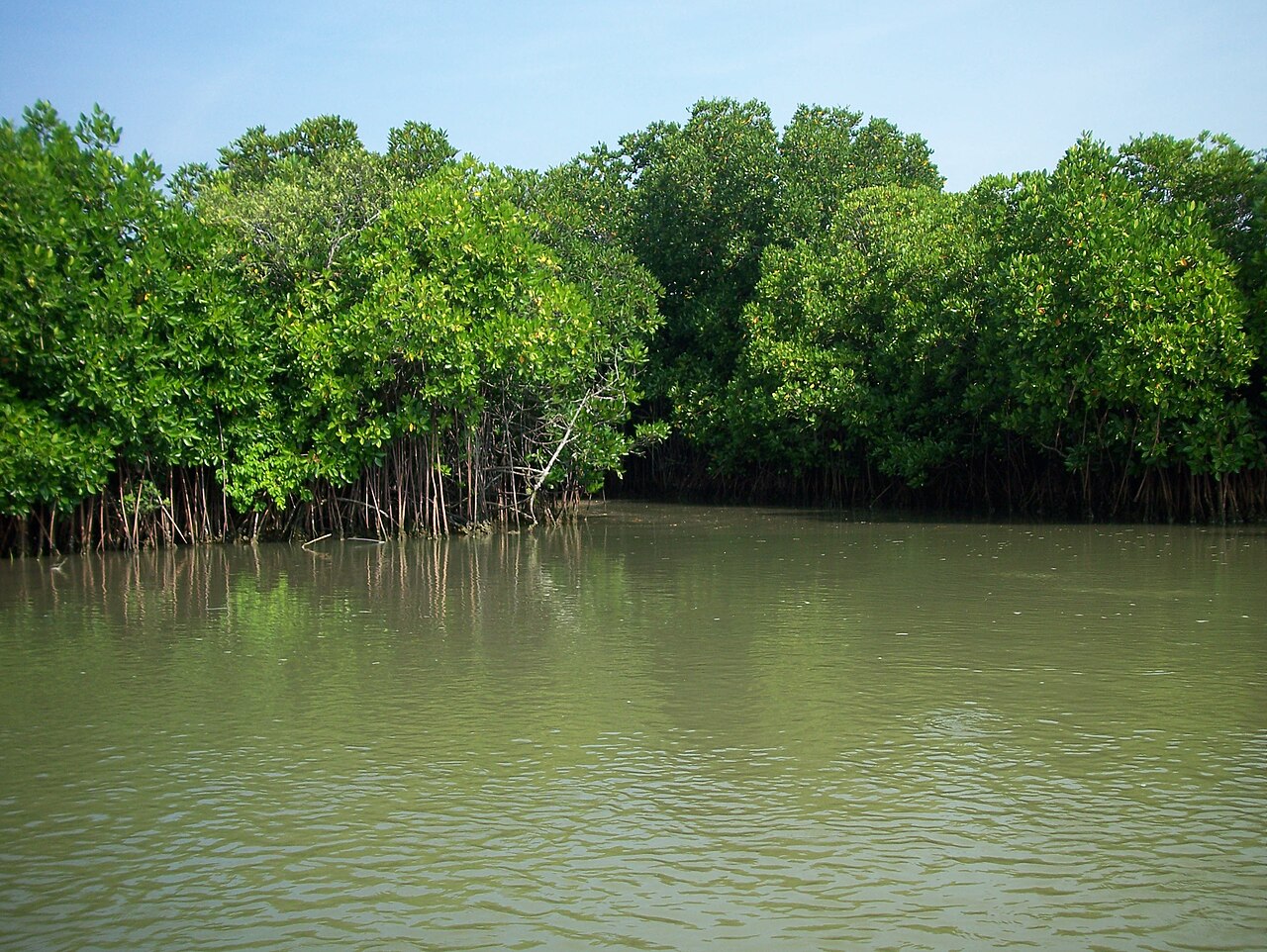
Ask anyone who has taken a boat through Pichavaram what they remember, and it is rarely one single thing. It is the moment the channel narrows and the mangroves close in overhead, oars dipping into water that barely ripples, an egret lifting off somewhere ahead of the boat. Pichavaram is one of the largest mangrove forests in the world, and a couple of hours here is usually enough to understand why people drive five hours from Chennai just for this.
This guide covers what the boat rides are actually like, what you will see along the way, how the forest is connected to a rather remarkable piece of Tamil Nadu’s coastal history, and the honest practical details of getting there, timings and what to carry, so you can plan the trip properly rather than turning up and hoping for the best.
What Pichavaram is
Pichavaram sits in Cuddalore district, Tamil Nadu, in the estuary where the Vellar and Coleroon (Kollidam) rivers meet the Bay of Bengal. It lies near the coastal village of Killai and about 15 km from the temple town of Chidambaram, which is the usual base for a visit. What you find here is a genuine maze, a network of tidal water channels weaving between small mangrove islands, some channels wide and open, many others barely wider than a boat. It is regularly counted among the largest mangrove forests in the world, and unlike a lot of nature spots that exist mainly for visitors, this one still does its original job. It is a nursery for fish and crabs, a nesting and feeding ground for birds, and a living buffer between the open sea and the villages further inland.
Boat rides through the mangroves
Boating is really the whole point of coming to Pichavaram. Boats are run largely through the TTDC boathouse along with local boatmen, and you hire a boat by time and route rather than simply buying a ticket and wandering off on your own. There are two options: rowing boats and motor boats.
Motor boats move faster and cover more ground through the wider channels, which is a reasonable choice if you are short on time or want a quick overview. Rowing boats are slower, and they are the ones that can actually get into the narrow, tunnel like channels where the mangrove canopy meets overhead and the light turns green and filtered. This is the part of Pichavaram that people talk about afterwards, and if you only have time for one type of boat, make it this one.
A few honest points worth knowing before you board. Agree the rate and the route with the boatman or at the boathouse counter before you get in, not after. If you want the narrow channel experience, ask for it specifically, since some standard routes stick to the broader waterways. Wear the life jacket you are given, even if the water looks calm, and expect the boat to be shared with other visitors unless you have arranged something private.
Birds and wildlife
Pichavaram is as much a birdwatching destination as a boating one. The channels and mudflats support herons, egrets, storks and kingfishers through the year, and the numbers swell considerably in winter when migratory species arrive to feed and roost. Early morning is by far the best time for this, when the water is still, the light is soft and the birds are actively feeding before the day’s boat traffic picks up.
Beyond the birds, the mangroves themselves are quietly doing important ecological work below the waterline. The tangled roots create sheltered, nutrient rich water that acts as a nursery for fish and crabs, which is part of why the surrounding fishing villages have depended on this ecosystem for generations. It is not just scenery, it is infrastructure that happens to be beautiful.
The mangroves and the 2004 tsunami
One fact about Pichavaram is worth knowing before you go, because it changes how you look at the forest once you are out on the water. When the 2004 Indian Ocean tsunami struck the Tamil Nadu coast, villages that sat behind the dense mangrove cover at Pichavaram are widely credited with having suffered noticeably less damage than exposed stretches of coastline nearby. The thick, tangled roots and close growth of the mangroves are thought to have absorbed and slowed the force of the water before it reached homes further inland. It is one of the clearer real world examples of mangrove forests acting as a natural buffer against the sea, and it is part of why Pichavaram is protected and taken seriously today, not just as a tourist attraction but as a genuine coastal defence.
Getting there from Chennai
Pichavaram is roughly 230 to 250 km south of Chennai, which usually works out to about four and a half to five and a half hours by road, depending on traffic and which route you take. Most people drive down via the ECR and the Pondicherry coastal route, though the inland NH route is also an option and can be quicker in places. For a detailed breakdown of the drive itself, our guide to Chennai to Chidambaram covers the route options in full, since Chidambaram is the natural staging point for Pichavaram.
If you are travelling by train, Chidambaram has its own railway station with reasonably good connections from Chennai Egmore, with the journey typically taking around five to six hours. From Chidambaram, Pichavaram is about 15 km away, and you will need a local taxi, auto or bus to cover that last stretch, since there is no direct rail or bus service straight to the boathouse.
It is possible to do Pichavaram as a very long day trip from Chennai, but honestly, it is a much more comfortable trip if you combine it with a night in or around Chidambaram, or fold it into a wider stay along the coast.
Combining it with Chidambaram and beyond
Given how close Pichavaram sits to Chidambaram, it makes sense to pair the two. Chidambaram’s Nataraja Temple, one of the most significant Shiva temples in South India, is only a short drive away, and most visitors do the temple and the mangroves as a single half day to full day loop, temple in the morning or evening, boat ride in the cooler hours.
If you have more time, Pichavaram also fits naturally into a longer coastal itinerary that continues south towards Pondicherry, which sits further down the same stretch of coast. Our guide to Chennai to Pondicherry is a useful reference if you are thinking of stringing Chidambaram, Pichavaram and Pondicherry together into one trip rather than treating them as separate outings, since the driving routes overlap for a good part of the way.
Timings, tickets and what to bring
Pichavaram is open through the day, broadly from morning into the late afternoon, though it is worth confirming current TTDC timings and boat rates before you set out, since these are periodically revised and we would rather send you to check than quote you a number that has since changed. As a rule, boats run on a fairly steady schedule during daylight hours, with the last rides wrapping up well before dark.
A short list of what actually helps once you are there. Wear the life jacket provided without arguing about it. Carry sun protection, since there is very little shade once you are out on the water. Bring drinking water, as there is not much available once you are away from the boathouse. And do not skip mosquito repellent, mangroves and mosquitoes go together, and you will notice it the moment the boat slows down in a narrow channel.
Best time to visit and tips
The best window for Pichavaram runs roughly from November to February, when the weather is cooler and the migratory birds are around in good numbers. Peak summer is worth avoiding if you can, since the heat on open water with little shade gets uncomfortable fast, and the birdlife thins out considerably.
A few practical tips gathered from people who have actually done this trip more than once.
- Go early morning if birdwatching and calm water matter to you, both the light and the wildlife are better before mid morning.
- Agree the boat rate and the exact route before you get in, not once you are already on the water.
- Ask specifically for the rowing boat route into the narrow channels, this is the highlight and not every default route includes it.
- Weekends and holidays get crowded, with longer queues for boats and less peaceful water, so a weekday visit is calmer if your schedule allows it.
- Do not litter in the channels, the mangroves are a working ecosystem, not a backdrop.
- Wear shoes that can get wet or muddy near the jetty, and dress for sun and humidity rather than comfort alone.
Pichavaram will not take up a huge chunk of your itinerary, half a day is usually enough, but it is the kind of half day that stays with you. Pair it sensibly with Chidambaram, go early if you can, and let the boatman take you into the narrow channels rather than settling for the wide, open water alone.