Guide details
Best time to visit
Monsoon and the weeks just after for the waterfalls, plus October to February for cooler, pleasant weather on the plateau
How to get there
About 200 to 250 km from Chennai, 4.5 to 5.5 hours by road, via Vellore and Tirupattur or via Tiruvannamalai and Polur; a car or motorbike is needed as there is no real public transport up into the hills
Highlights
Jalagamparai Falls, Beemanmadavu waterfalls, Amirthi Falls and Zoological Park, ghat road viewpoints, sandalwood forests, Malayali tribal villages, informal trekking routes
Good for
nature lovers, offbeat travellers, self-drive and bike trips, day trips from Chennai, quiet getaways, photography
Costs
Very few paid attractions; only a small entry fee at Amirthi Zoological Park and basic local food costs. Accommodation is limited, so budget mainly for fuel and meals, roughly Rs 1,000 to 2,000 per person for a self-driven day trip
Most people heading for a hill escape from Chennai think of Yelagiri or Yercaud. Javadi Hills, sometimes spelled Jawadhu Hills or Jawadi Hills, barely makes that list, and that is really its appeal. It is quieter than a hill station, wilder, and closer to how these hills probably looked decades ago, before anywhere nearby got developed for tourism.
This is not a place to plan a resort weekend around. There are no big hotels or crowded viewpoints here, just a forested plateau, tribal villages, sandalwood groves and a scattering of waterfalls that come alive with the rains. If you want a genuine offbeat day out from Chennai rather than another manicured hill station, Javadi Hills is worth the drive, as long as you go in with the right expectations.
About Javadi Hills
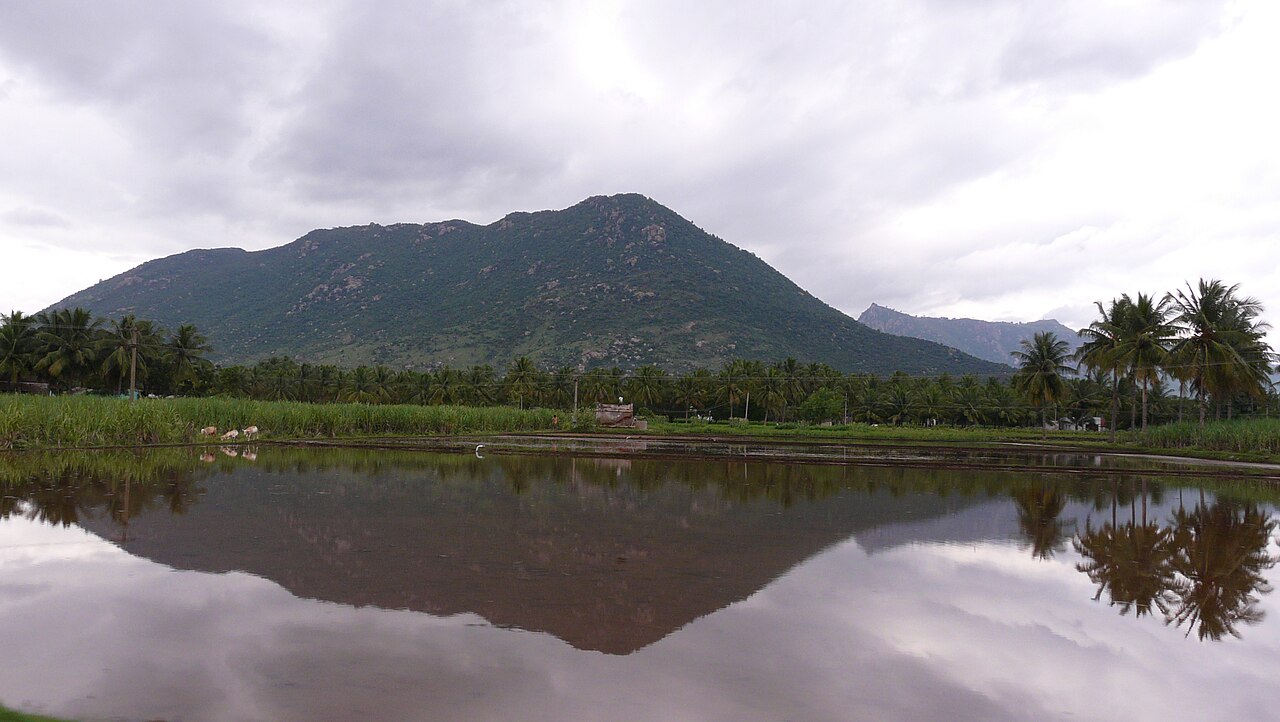
Javadi Hills form part of the Eastern Ghats, spread across the Tirupattur (carved out of the older Vellore district) and Tiruvannamalai districts of northern Tamil Nadu. Rather than a single hill station with a name and a market square, they are an extended range, a plateau sitting roughly 3,000 to 3,500 feet above sea level. That is enough to feel noticeably cooler than the plains below, but nowhere near the altitude of somewhere like Ooty or Kodaikanal, so do not go expecting a proper mountain chill.
What makes the range distinctive is who lives there. The hills are home to the Malayali tribal community, spread across small villages tucked into folds of the plateau. Farming, forestry and sandalwood have shaped life here for generations, and sandalwood plantations still cover parts of the hills, giving the air a faint, resinous scent in places. There is no real town centre, no shopping street, no cluster of tourist shops, just villages, forest tracks and long views over the plains. That lack of commercial development is exactly what keeps Javadi Hills feeling genuinely rural rather than dressed up for visitors.
What to see and do
There is no checklist of monuments to work through here. Javadi Hills reward slow travel: a drive along the ghat road, a stop at a viewpoint, a short walk to a waterfall if it happens to be running. The main things worth building a day around are:
- Jalagamparai Falls, the best known waterfall in the hills, formed where the Cheyyar river drops off the plateau. It is most dramatic during and just after the monsoon; outside that window it can shrink to a trickle or dry up completely, so check recent conditions before you plan a day around it.
- Beemanmadavu waterfalls, a quieter, far less visited falls tucked into the forest, and just as dependent on rainfall as Jalagamparai.
- Amirthi Falls and Amirthi Zoological Park, sitting nearer the foot of the hills close to Vellore, combining a small waterfall with a modest zoo and park. It works well as a stop on the way up or down.
- Viewpoints along the ghat road, where several bends on the climb open onto wide views of the plains below, worth pausing for even on a day when you are not stopping anywhere else.
- Forests and sandalwood plantations covering much of the plateau. Driving or riding through them, with the temperature dropping a little, is as much the point of the trip as any single stop.
- Malayali tribal villages scattered through the hills, giving a sense of a working, lived-in landscape rather than a tourist trail. Visit respectfully and treat villages as places people live, not photo opportunities.
- Trekking on informal routes through the forest and between viewpoints. This is not a place with marked trails or trekking infrastructure, so local guidance is genuinely useful.
How to get there from Chennai
Javadi Hills lie roughly 200 to 250 km from Chennai depending on which side you approach, and the drive takes about 4.5 to 5.5 hours by road. There are two main ways up. One is via Vellore and Tirupattur, approaching the hills from the northern side. The other is via Tiruvannamalai and Polur, climbing from the south, and this route pairs neatly with a visit to Tiruvannamalai itself if you are already covering that ground; our guide to Chennai to Tiruvannamalai covers that leg in detail.
Whichever way you go, the final stretch is a ghat road, narrow, winding and slow going, so budget extra time rather than treating the last few kilometres like a highway. The nearest railheads and towns with real infrastructure are Vellore, Tirupattur and Tiruvannamalai; beyond any of these, you are relying entirely on your own vehicle. There is no meaningful public transport running up into the hills, so this is a car or motorbike trip, not one you can piece together with buses. Most visitors treat it as a long day trip from Chennai, or an overnight stop combined with Vellore or Tiruvannamalai to make the distance worthwhile.
What to expect: an honest note
Javadi Hills are undeveloped, and it is worth being upfront about that before you go. Accommodation is very limited, so do not expect a choice of hotels or resorts. Food options are basic and thin on the ground, and fuel stations are sparse once you leave the towns at the base, so fill up before you start the climb. Mobile signal is patchy across much of the plateau, which is part of the appeal if you are looking to switch off for a day, but plan accordingly if you need to stay reachable.
The waterfalls draw a lot of visitors, and they are entirely rain dependent. Jalagamparai and Beemanmadavu can be spectacular after good monsoon rain, and disappointing or dry outside that window, so it is worth asking locally or checking recent reports before committing a whole day to chasing a specific one. Some forest areas also have access restrictions or set timings, so do not assume everywhere is open at all hours. None of this makes Javadi Hills a poor choice, it simply makes it a trip for people comfortable with a bit of uncertainty, who are going for the quiet and the greenery rather than a fixed list of sights.
Best time to visit and tips
The best time to visit is the monsoon and the weeks just after it, when the waterfalls are running and the hills are at their greenest, followed by the cooler months from October to February, when the weather on the plateau is pleasant for driving and short walks. If Javadi Hills sounds like your kind of trip, it is also worth comparing it with other hill stations near Chennai to see how it fits alongside the better known options.
- Fill your fuel tank before starting the ghat climb, options are limited once you are up.
- Carry cash, cards are not reliably accepted in small villages.
- Start early so you have daylight for the ghat roads and any walk to a waterfall.
- Check waterfall conditions locally before building your day around a specific one.
- Carry water and snacks, do not expect much choice once you are on the plateau.
- Dress for a cooler, breezy plateau rather than a proper hill station chill.
Javadi Hills will not give you a polished hill station experience, and it is not trying to. What it offers is a genuinely quiet stretch of the Eastern Ghats, tribal villages, sandalwood forest and waterfalls that reward a bit of planning and a tolerance for uncertainty. Go with realistic expectations about facilities, check the waterfalls before you travel, and it makes for one of the more rewarding offbeat day trips within reach of Chennai.