Guide details
Best time to visit
October to June, with cool clear days and thinner crowds outside the April to June peak.
How to get there
Around 550 km, 9 to 11 hours by road, or train to Coimbatore or Mettupalayam then the Nilgiri Mountain Railway.
Highlights
Nilgiri Mountain Railway, Government Botanical Garden, Ooty Lake, Doddabetta Peak, tea gardens, Coonoor
Good for
couples, families, first time hill station trips, slow weekends, photography
Price range
Budget rooms from about Rs 1,500, mid range Rs 3,000 to 6,000, heritage and resort stays Rs 8,000 upwards per night.
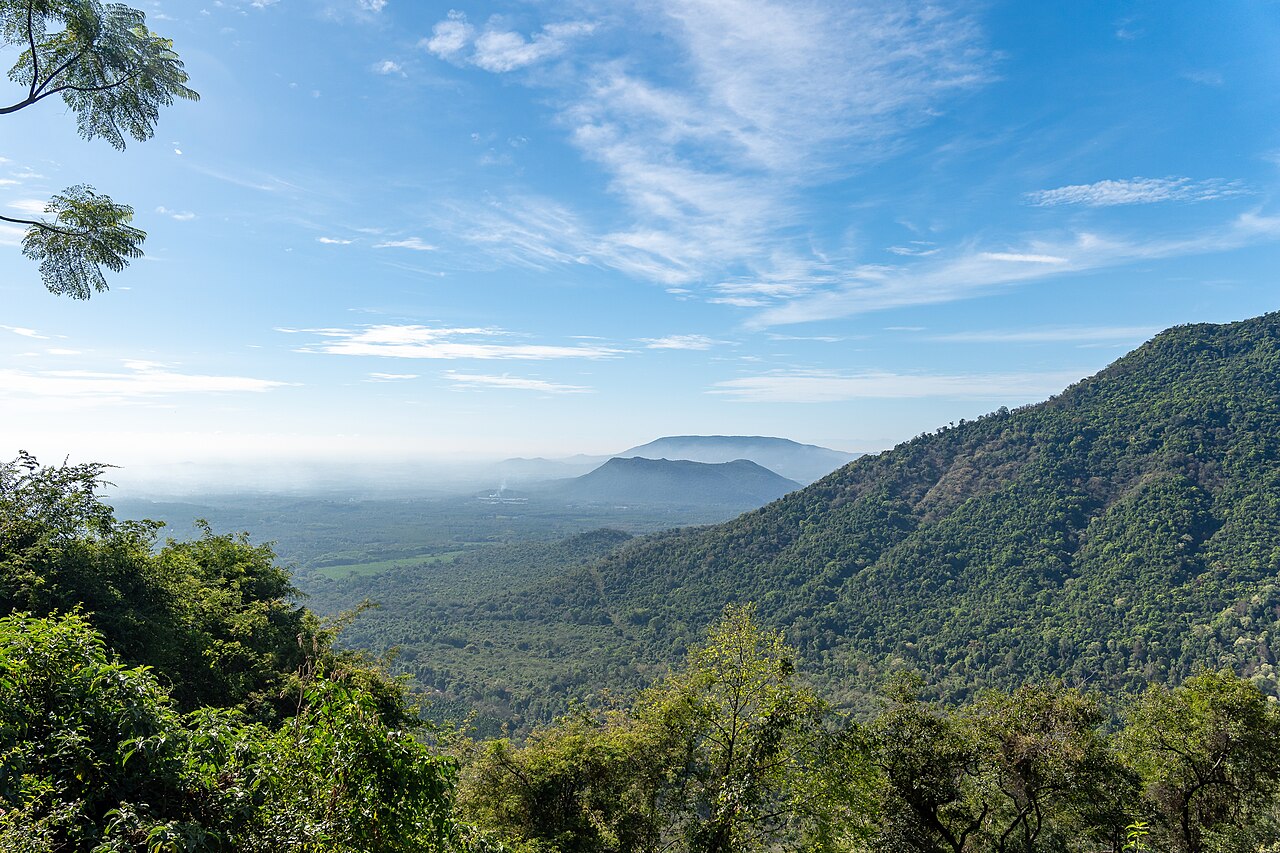
Ooty is the trip most people from Chennai think of first when they want to escape the heat. Sitting high in the Nilgiris in western Tamil Nadu, it is cool almost all year, wrapped in tea slopes and eucalyptus, and it still carries the faded charm of the British hill station it once was. People often call it the queen of hill stations, and while that is a bit of a tourist board phrase, the cool air and the green really do feel like another country after the flat, humid coast.
It is not a quick hop, though. Ooty is roughly 550 km away, and however you go, most of a day disappears in the journey. That is part of why we treat it as a proper two or three day break rather than a weekend dash. Here is how to get there, what is worth your time once you arrive, and how to plan around the crowds.
Planning what to do once you arrive? Our full Ooty guide covers the main sights, where to stay and the best time to visit.
On the way up you pass through Coonoor, the quieter second hill town of the Nilgiris, which has its own guide if you plan to stop or stay there.
How to get to Ooty from Chennai
There is no direct train that climbs all the way to Ooty, so every route involves a change or a long drive. Sort out the last stretch first, then work backwards.
By road, it is about 550 km and realistically 9 to 11 hours, sometimes more with stops and traffic. The usual line is Chennai to Salem to Coimbatore or Mettupalayam, then up the ghat road through the Nilgiri hairpins. The climb itself is slow, with dozens of tight bends, so the last 50 km or so eats far more time than the distance suggests. Many people drive overnight or leave very early to reach the hills by afternoon.
By train, take an express from Chennai Central to Coimbatore or, if you can get it, to Mettupalayam, the town at the foot of the hills. Coimbatore is the bigger, better connected station and is around 7 to 8 hours away. From there you either drive up, take a bus, or continue to Mettupalayam to join the famous toy train. From Mettupalayam the road up to Ooty is about 2 to 3 hours.
By bus, state and private operators run overnight services from Chennai towards Coimbatore, Mettupalayam and Ooty itself. A through bus is the simplest option if you would rather not change, though the long climb on winding roads at night is not for everyone. Sleeper coaches help, but light sleepers should temper their hopes.
The Nilgiri Mountain Railway (toy train)
The Nilgiri Mountain Railway is the reason a lot of visitors bother with the longer route, and honestly it earns its reputation. It runs from Mettupalayam up to Ooty via Coonoor, using a rack and pinion system to grip the steep gradient, and it is a UNESCO World Heritage line. The little blue and cream carriages, the tunnels and the tea covered valleys make the ride a highlight in its own right rather than just a way to arrive.
The full climb from Mettupalayam to Ooty takes roughly 5 hours, which sounds absurd for the distance and is exactly the point. It is slow travel done properly. If you cannot get the whole run, the shorter Coonoor to Ooty section is easier to book and still lovely. Seats, especially in first class, sell out well ahead in season, so reserve early through the railway booking system rather than turning up and hoping. Carry water and a few snacks, and pick a window seat if you can.
Botanical Garden and Ooty Lake
The Government Botanical Garden is the town’s green heart, laid out in the 1840s across terraced lawns on the slopes below Doddabetta. It is well kept, easy to wander, and home to a huge range of plants, a fossil tree trunk, and glasshouses. In May it hosts the annual flower show, which is beautiful but brings serious crowds. Give it a couple of unhurried hours.
Ooty Lake is the other classic stop, an artificial lake created in the early 1800s and now ringed with boating jetties and stalls. The boating is cheerful rather than serene, and it gets busy with families, but a pedal boat or a shared motorboat is a pleasant hour, especially with children. Both sights sit close to the centre, so they are easy to pair in a single day. Expect small separate entry and boating charges at each.
Doddabetta, tea gardens and Coonoor
Doddabetta, at around 2,600 metres, is the highest peak in the Nilgiris and an easy drive from town. There is a viewing platform and telescopes at the top, and on a clear morning the layered ridgelines are superb. On a misty afternoon you may see very little, so go early if the sky looks kind.
The tea gardens are everywhere once you leave the centre, and many estates and the small Tea Museum near Coonoor let you see how the leaf is processed and pick up fresh tea. Coonoor itself, a smaller and gentler hill town about 20 km down the road, is worth half a day for Sim’s Park, the tea slopes and the quieter viewpoints like Dolphin’s Nose. Some people even prefer to base themselves in Coonoor and treat Ooty as a day out.
Where to eat
Ooty’s food leans warming and simple, which suits the climate. You will find good South Indian meals, plenty of Tamil and North Indian options, and a decent scattering of cafes doing soups, momos and grills for the tourist crowd. The town has a long standing love of home made chocolate and fudge, sold in shops all along the main streets, and fresh tea is the obvious thing to carry home. For something hot on a cold evening, a bowl of soup or a plate of momos from a street stall does the job nicely. Around the lake and the busy centre, prices climb and quality varies, so it is worth walking a street or two back for better value.
Where to stay
Our honest advice is to stay slightly outside the busy centre. The area around the lake and the main bazaar gets clogged with traffic and noise in season, while quieter roads on the slopes, or over towards Coonoor, give you the views and calm you came for.
Budget guesthouses and simple rooms start from about Rs 1,500 a night, though the cheapest can be damp in a hill town, so check heating and hot water. Comfortable mid range hotels and homestays sit around Rs 3,000 to 6,000. Heritage bungalows, tea estate stays and the better resorts run from Rs 8,000 upwards, more on long weekends and through the peak. Whatever the bracket, book ahead in season, because good rooms go early and walk in rates are unkind.
Best time to visit
The broad answer is October to June. The post monsoon and winter months, roughly October to February, bring cool, clear days and cold nights, with genuine chill in December and January. March to June is the popular summer season when the plains are baking and everyone heads for the hills, so it is lovely weather but the busiest and priciest time, especially April and May.
The southwest monsoon and the following wet spell, mainly June to September, can be heavy, with mist, leeches on walks and the odd landslip closing ghat roads. It is green and cheap and quiet, which some travellers love, but plans need to stay flexible. Whenever you go, avoid long weekends and public holidays if you can, as traffic on the ghats and queues at every sight get genuinely trying.
How many days you need
Two to three days is the sweet spot. With two nights you can settle in, give a full day to the garden, lake and town, and use another for Doddabetta, the tea slopes and a run down to Coonoor. Stretch it to three nights if you want to ride the toy train properly, slow down, or add more of the Coonoor side. A single night is barely worth the long journey, so if time is very tight, it may be better to wait for a longer window.
Tips for the trip
- In peak season and on long weekends, expect heavy traffic on the ghat road and at every major sight. Start early to stay ahead of the crowds.
- Pack warm layers even in summer. Evenings and early mornings are genuinely cold, and December to January nights can drop close to freezing.
- Book the Nilgiri Mountain Railway well ahead, especially first class and the full Mettupalayam run, as seats sell out fast.
- The roads up are long and full of hairpin bends. If anyone in the group gets carsick, carry medication and plan a break or two.
- Carry some cash, as smaller stalls, boating counters and estate shops do not always take cards, and hill town networks can be patchy.
- Respect the cool, damp climate. Waterproofs in the monsoon, sturdy shoes for tea garden walks, and a little patience for the mist.
Ooty rewards a slower pace. Give it a couple of unhurried days, base yourself a little away from the crush, and let the tea slopes, the cold air and that wonderful little train do the rest. It is a long way from Chennai, but on a clear Nilgiri morning you will understand exactly why people keep making the trip.