Guide details
Best time to visit
The cooler, drier months from November to February.
How to get there
About 270 to 290 km, roughly 6 to 7 hours by train, road or bus.
Highlights
Adi Kumbeshwarar temple, Sarangapani temple, Mahamaham tank, Airavatesvara temple at Darasuram, Swamimalai and its bronze makers, Kumbakonam degree coffee
Good for
Temple lovers, culture and history travellers, slow delta road trips, photographers, families
Price range
Rooms from around Rs 1,200 to Rs 4,000 a night, meals from Rs 100 to Rs 400.
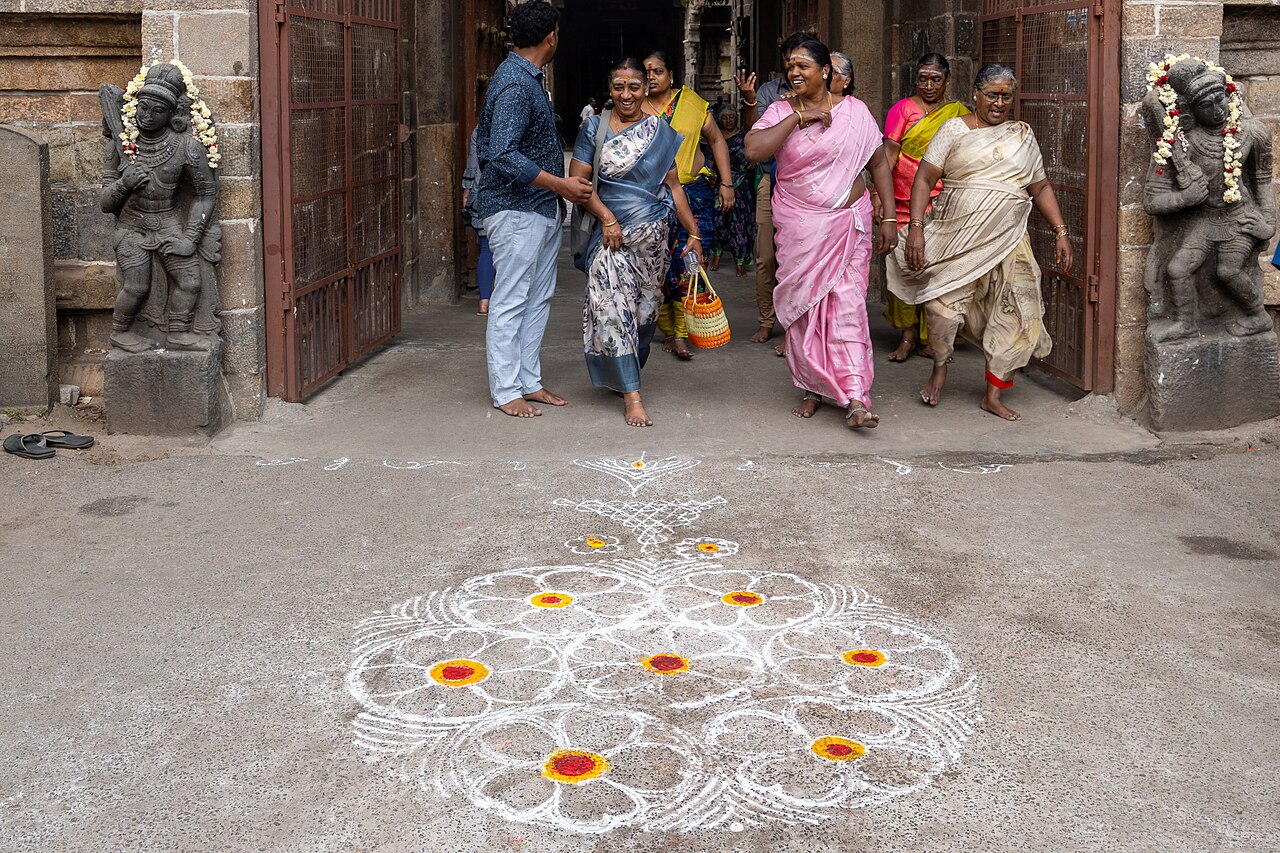
Some towns wear their history quietly, and some, like Kumbakonam, are almost built from it. Sitting in the Kaveri delta in Thanjavur district, this is one of the most temple dense places in Tamil Nadu, a working town of markets, coffee stalls and tank side streets where the temples are not museums but part of daily life. People come here to worship, to trace family traditions, and simply to walk between shrines that have stood for a thousand years or more.
From Chennai it makes a satisfying trip, whether you have a long weekend or you are stitching together the delta temple towns over several days. We would not rush it. Kumbakonam rewards a slower pace, and it sits close enough to Thanjavur, Darasuram and Swamimalai that a few days here can cover a lot of ground without long daily drives.
Planning what to do once you arrive? Our full Kumbakonam guide covers the main sights, where to stay and the best time to visit.
How to get to Kumbakonam from Chennai
Kumbakonam lies roughly 270 to 290 km south of Chennai, and however you travel, you should plan for about 6 to 7 hours.
The train is the option we would choose first. Kumbakonam sits on the main line and has its own station, with several daily services connecting it to Chennai Egmore, typically taking around 6 to 7 hours depending on the train and the number of stops. Booking a reserved seat or berth in advance makes the journey comfortable, and it saves you the tiredness of a long road day.
By road it is a similar 6 to 7 hours by car or taxi, mostly along good highways through Villupuram and towards the delta before you turn onto quieter district roads. Traffic leaving Chennai and the state of the last stretch can add time, so an early start helps. Government and private buses also run frequently from Chennai’s Koyambedu terminus, both ordinary and air conditioned services, and these are the cheapest way to travel if you do not mind a longer, busier ride.
The temples of Kumbakonam
The town’s reputation rests on its temples, and four in particular anchor most visits. The Adi Kumbeshwarar temple, dedicated to Shiva, is often taken as the town’s central shrine and gives Kumbakonam much of its identity. Its long corridors, tall gopuram and busy inner precincts give you a real sense of a temple that has grown and been added to across centuries.
The Sarangapani temple is the great Vishnu temple of the town, and its towering gopuram is one of the tallest and most striking in the delta. The temple is counted among the important Vishnu shrines of the tradition, and the scale of the entrance tower alone is worth the walk. Nearby, the Ramaswamy temple is known for its detailed sculpture and painted panels depicting scenes from the Ramayana, while the Chakrapani temple, dedicated to Vishnu in the form of the discus, is another of the town’s revered shrines. Together they can be seen over a day or two on foot and by short auto rides, and part of the pleasure is simply moving through the streets between them.
The Mahamaham tank and festival
At the heart of the town lies the Mahamaham tank, a large stepped water tank ringed by small shrines and mandapas. On an ordinary day it is a calm, atmospheric place to sit for a while. Once every twelve years, though, it becomes the focus of the Mahamaham festival, when enormous crowds gather to bathe in the tank on the most auspicious day. It is one of the largest religious gatherings in Tamil Nadu, and belief holds that the sacred rivers are present in the tank’s waters at that moment.
Because the main festival falls only once every twelve years, most visitors will see the tank in its quieter everyday form, which is still very much worth your time. If your visit happens to coincide with a Mahamaham year, expect the town to be extraordinarily busy, with special arrangements, restricted movement and accommodation booked out far in advance. Plan carefully and travel with patience.
Darasuram and Swamimalai nearby
Two of the finest reasons to base yourself in Kumbakonam sit just outside it. At Darasuram, a few kilometres from the town, stands the Airavatesvara temple, a UNESCO World Heritage Site as part of the Great Living Chola Temples. Built in the Chola period, it is smaller and more intimate than the giants at Thanjavur and Gangaikonda Cholapuram, but the quality of its carving is remarkable, from the wheeled stone chariot form of the mandapa to the finely detailed friezes. For anyone interested in art and architecture, it is a highlight of the whole region.
A short distance the other way is Swamimalai, one of the six sacred abodes of Murugan, set on a small hill reached by a climb of steps. Swamimalai is also famous for something you can watch and take home: its traditional bronze idol makers, who still cast images using the lost wax method passed down through generations. Several workshops around the town welcome visitors, and seeing the craft first hand, even briefly, adds a great deal to a temple trip.
Coffee, brass and local life
Kumbakonam is as well known to many Tamils for its coffee as for its temples. Kumbakonam degree coffee is something of a byword for a strong, milky, properly made filter coffee, and you will find it served in steel tumblers at small stalls and eating houses across town. Whatever the truth of the various stories behind the name, the coffee itself is genuinely good, and starting the day with one is part of the experience.
The town is also a centre for brass and metalware, and the wider area has a long tradition of working in bronze and brass for both temple and household use. Wandering the markets you will pass lamps, vessels and idols, and combined with the Swamimalai bronze workshops nearby, this gives the region a real reputation for metalcraft. Even if you buy nothing, the workshops and shops are a window into a living trade.
Where to eat and stay
Eating in Kumbakonam is straightforward and rewarding. Vegetarian meals dominate, from a banana leaf lunch to tiffin favourites like idli, dosa and pongal, and prices are modest, with most meals falling somewhere between Rs 100 and Rs 400 depending on the place. Add a filter coffee and you have eaten well for very little.
For accommodation, the town has a good spread of options rather than luxury. Simple, clean lodges and budget hotels can be found from around Rs 1,200 to Rs 2,000 a night, while more comfortable mid range hotels with air conditioning tend to sit in the Rs 2,500 to Rs 4,000 range. During major festival periods, and especially in a Mahamaham year, prices rise sharply and rooms disappear quickly, so book well ahead if your dates are fixed.
Best time to visit and what to combine
The delta is hot for much of the year, so the cooler, drier months from roughly November to February are the most comfortable for temple hopping on foot. The months after the monsoon also leave the countryside green. The height of summer can be very hot and tiring, particularly around the middle of the day.
Kumbakonam works beautifully as a base for the wider delta. Thanjavur, with its great Brihadeeswarar temple and palace, is close enough for a comfortable day trip, and together with Darasuram and Swamimalai you could easily fill three or four unhurried days. If you enjoy temples, craft and slow travel, this corner of Tamil Nadu gives you a great deal within a small radius.
Tips for the trip
- Dress modestly for the temples, with shoulders and knees covered, and be ready to remove your footwear before entering.
- Many temples close for a few hours in the middle of the day and reopen in the late afternoon, so plan your visits around the morning and evening openings.
- Carry cash in small notes for entry, footwear stands, coffee and small shops, as card and digital payment are not always accepted.
- Bring water, a hat and sunscreen, pace yourself in the heat and rest during the hottest hours.
- Ask before photographing inside shrines, as photography is often restricted, and always be respectful of people at worship.
Kumbakonam is not a town that shows off. Its rewards come from walking its streets, sitting by the tank, watching a bronze take shape and drinking coffee between temples that have seen a thousand years of the same. Give it a little time, and the Kaveri delta will give a great deal back.