Guide details
Best time to visit
The 18th day of the Tamil month of Aadi, which falls roughly in early August. Celebrations happen from early morning through late morning on the banks of the Cauvery and other rivers.
How to get there
Aadi Perukku is celebrated on riverbanks across Tamil Nadu, especially along the Cauvery in the delta region, at towns such as Thiruvaiyaru and Srirangam, and at other river towns along the Vaigai and Tamiraparani. These places are reachable by road and rail from Chennai, and more directly from Tiruchirappalli and Thanjavur.
Highlights
floating lamps and offerings on the river, riverbank gatherings, variety rices picnic, prayers to the river, the full monsoon-fed Cauvery
Good for
culture travellers, those interested in Tamil traditions and the monsoon, families, photographers
Price range
A free, community and riverbank festival with no entry cost. Visitors may choose to make small offerings or buy festival food from local vendors.
Once a year, as the southwest monsoon fills the rivers of Tamil Nadu, families gather at dawn on the water’s edge to give thanks. This is Aadi Perukku, also known as Padinettam Perukku, one of the gentlest and most atmospheric festivals in the Tamil calendar. It falls on the eighteenth day of the Tamil month of Aadi, which corresponds roughly to mid-July through mid-August, placing the festival itself in early August. At its heart, Aadi Perukku is a celebration of water, and above all of the rivers that have sustained agriculture and daily life in Tamil Nadu for centuries.
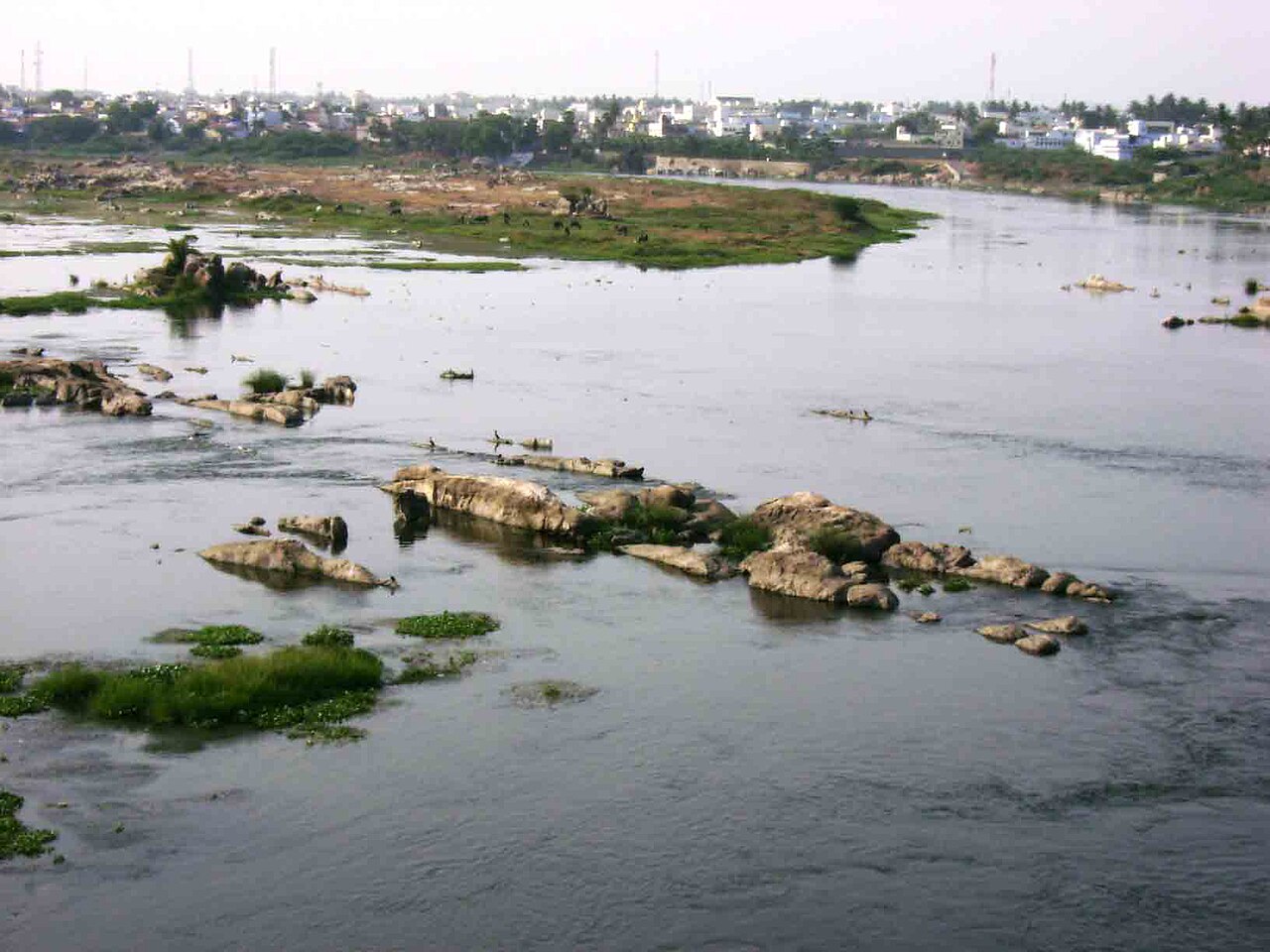
The festival is especially significant along the Cauvery (Kaveri) river, though it is observed wherever rivers, lakes and irrigation tanks bring life to the land. It is, in essence, a thanksgiving. As the monsoon swells the rivers in their catchment areas upstream, the waters flowing through the Tamil plains rise and brim with the promise of a good agricultural season ahead. Aadi Perukku marks and honours that moment.
This is one of many festivals in the Tamil calendar. For an overview of the year and the state’s other great celebrations, see our guide to the festivals of Tamil Nadu.
What Padinettam Perukku Means
The name itself explains the occasion. “Padinettam” means eighteenth, referring to the eighteenth day of Aadi, and “Perukku” means rising, overflowing or increase. Together, Padinettam Perukku describes the day on which the rivers are seen to swell and flourish with the monsoon’s arrival. It is not simply a date on a calendar but a recognition of a natural process, the steady rise of river water that farming communities have watched and depended upon for generations.
In an agrarian society, the health of the rivers was, quite literally, the health of the harvest. A river running full and strong in Aadi was read as a good sign for the crops to come. Aadi Perukku grew out of this practical relationship between people and water, evolving over time into a warm, ritual expression of gratitude rather than an anxious watching of water levels. It remains, at its core, a celebration of abundance and fertility, of water as the quiet source from which all else grows.
How Aadi Perukku Is Celebrated
On the morning of the eighteenth day, women in particular make their way to riverbanks, lakesides and tank bunds across Tamil Nadu. Nowhere is this more visible than along the Cauvery, at riverside towns such as Thiruvaiyaru and Srirangam, and at countless smaller villages through the delta. The Vaigai near Madurai and the Tamiraparani in the far south see their own gatherings too, each community turning out to honour the water that runs through its fields.
The rituals are simple and unhurried. Turmeric and kumkum are applied at the water’s edge, flowers and betel leaves are offered, and small clay lamps are lit and set afloat on the current. Watching dozens, sometimes hundreds, of little flickering lamps drift downstream in the early light is one of the most memorable sights the festival offers. Prayers are offered to the river itself, often personified as a goddess, and there is a real sense of the water being addressed directly, thanked and asked for continued blessing.
Married women traditionally pray for the wellbeing and prosperity of their families, a role that echoes the way women lead many household-centred festivals in Tamil culture. Newly married couples often mark their first Aadi with particular attention, and the tying of a yellow thread, or kaapu, around the wrist is a common protective gesture during this period. The overall mood is neither solemn nor showy. It is companionable, practical devotion, carried out among neighbours and family on a riverbank that has likely seen the same rituals performed for longer than anyone present can say.
The Food of the Day
No account of Aadi Perukku would be complete without its food, which is as much a part of the celebration as the lamps and prayers. Families prepare an assortment of flavoured rices, often described as the tradition of seven or more colours of rice, and carry them down to the riverbank for a shared, picnic-style meal. It is common to find:
- Puliyodarai, the tangy tamarind rice
- Lemon rice, bright with turmeric and mustard seed
- Coconut rice, mild and fragrant
- Curd rice, cooling and simple
- Ellu sadam, made with sesame
- Mint or coriander rice, fresh and herby
- Sakkarai pongal, a sweet rice dish, alongside other payasams and sweets
These dishes are laid out together, their colours ranging from deep red to pale white, and shared freely among family and neighbours by the water. The picnic element matters as much as any single recipe. Eating together on the riverbank, within sight and sound of the flowing water being honoured, turns the festival into a genuinely communal occasion rather than a private household ritual.
Aadi, a Month of Its Own
Aadi Perukku sits within the wider Tamil month of Aadi, which runs from roughly mid-July to mid-August and carries its own distinct character. This is traditionally a month closely associated with goddess worship, particularly of Amman, the mother goddess, and Aadi Perukku is only one of several observances that fall within it. Aadi Amavasai, the new moon day, Aadi Pooram, and the Fridays of Aadi, known as Aadi Velli, all draw worshippers to Amman temples, which tend to be especially busy through this period. Aadi Krittika is another notable day within the month.
In more recent times, Aadi has also taken on a commercial dimension, with the well known Aadi sales and discounts offered by shops and businesses across Tamil Nadu, a modern layer added onto an older religious and agricultural calendar. Aadi Perukku, then, is best understood as one bright thread within this larger, busy month, distinguished from the temple-focused observances around it by its outdoor, riverside character and its specific focus on water rather than on a deity’s shrine.
Where the Festival Comes Alive
While Aadi Perukku is observed wherever there is a river, lake or tank in Tamil Nadu, it is felt most strongly in the Cauvery delta, the agricultural heartland of the state and the region most directly dependent on the river’s seasonal rise. Towns such as Thiruvaiyaru, long associated with music and pilgrimage, and Srirangam, with its great temple on a Cauvery island, become natural gathering points, though countless smaller villages along the river hold their own quieter versions of the same rituals. Communities along the Vaigai and the Tamiraparani observe the day in similar spirit, adapted to their own rivers.
The festival is also kept alive by the Tamil diaspora, who mark Aadi Perukku with prayers and, where possible, gatherings near whatever body of water is available to them, a small act of continuity with a homeland tradition rooted in a very particular relationship with rivers.
Why Aadi Perukku Still Matters
Aadi Perukku offers a gentle, timely reminder of how closely Tamil culture is bound to its rivers and to the rhythms of agriculture. In a state where the Cauvery in particular has long been central to farming, drinking water and daily life, a festival dedicated to thanking the river for its seasonal abundance carries a quiet ecological resonance that feels increasingly relevant today. It asks nothing more elaborate than a pause, a lamp set afloat, and a shared meal by the water.
It is often mentioned alongside Pongal, Tamil Nadu’s great harvest festival, and the comparison is a useful one. Where Pongal gives thanks to the sun and the harvested grain, Aadi Perukku gives thanks to water and the rivers that made that harvest possible in the first place. Together they form two halves of the same agricultural gratitude, one marking the gift of water, the other the gift of the harvest it enabled.
For Visitors
For anyone travelling through the region in early August, Aadi Perukku is a lovely, low-key festival to witness. There is no need for tickets or special arrangements, simply an early start and a riverside spot along the Cauvery delta or one of the other river towns. Watching the floating lamps drift on the current, seeing women in bright silk and cotton saris gathered at the water’s edge, and perhaps being offered a taste of the variety rice picnic, gives a warm and genuine glimpse into Tamil life that few formal itineraries can match. It is also a quiet way into understanding Tamil Nadu‘s deep and enduring relationship with its rivers, a relationship that runs through the state’s history, its farming and its festivals alike.
Visitors are welcome as respectful onlookers rather than participants in the rituals themselves, and a little quiet observation goes a long way. Early morning is best, both for the light and for catching the ceremonies before the day’s heat sets in.
Aadi Perukku remains one of Tamil Nadu’s most graceful festivals, a joyful thanksgiving to the rivers and the monsoon that sustain the land, celebrated simply and beautifully with floating lamps, quiet prayers and shared food on the water’s edge.