Guide details
Best time to visit
November to February, early morning, for the flamingos and migratory birds
How to get there
Around 55 to 60 km north of Chennai via the northern suburbs, roughly 1.5 to 2 hours by road
Highlights
Flamingos, Pulicat Lake Bird Sanctuary, Dutch cemetery, Fort Geldria ruins, boat rides on the lagoon, fishing village life, Sriharikota views from a distance
Good for
birdwatchers, photographers, heritage lovers, couples and families wanting a quiet day trip, nature enthusiasts
Price range
Boat rides are typically Rs 300 to Rs 800 or more depending on the boat and duration, negotiated locally; entry to the sanctuary area, if collected, is a modest fee
If you want a day away from Chennai that trades shopping malls for mudflats and flamingos, Pulicat Lake is worth the drive. It is one of those places that rewards patience: turn up at the wrong time of year and you will find a quiet, slightly sleepy lagoon town, but turn up between November and February and the shallow waters can turn pink with thousands of flamingos.
This guide covers what Pulicat actually offers, what it does not, and how to plan a sensible day trip from Chennai around the birds, the boats and the old Dutch cemetery that most visitors do not expect to find here.
About Pulicat Lake
Pulicat Lake is the second largest brackish water lagoon in India, after Chilika Lake in Odisha. It sits right on the border of Tamil Nadu and Andhra Pradesh, roughly 60 km north of Chennai, and is fed by a mix of seawater from the Bay of Bengal and freshwater from rivers and streams that drain into it. The main town on the Tamil Nadu side is called Pazhaverkadu, and this is usually the base for boat rides and for exploring the lake.
The lagoon itself is shallow, brackish and dotted with small islands, which is exactly the kind of habitat that wading birds love. It has been a fishing ground for generations, and the villages around it still run on fishing rather than tourism, which is part of what makes Pulicat feel different from more polished day trip destinations.
The bird sanctuary and flamingos
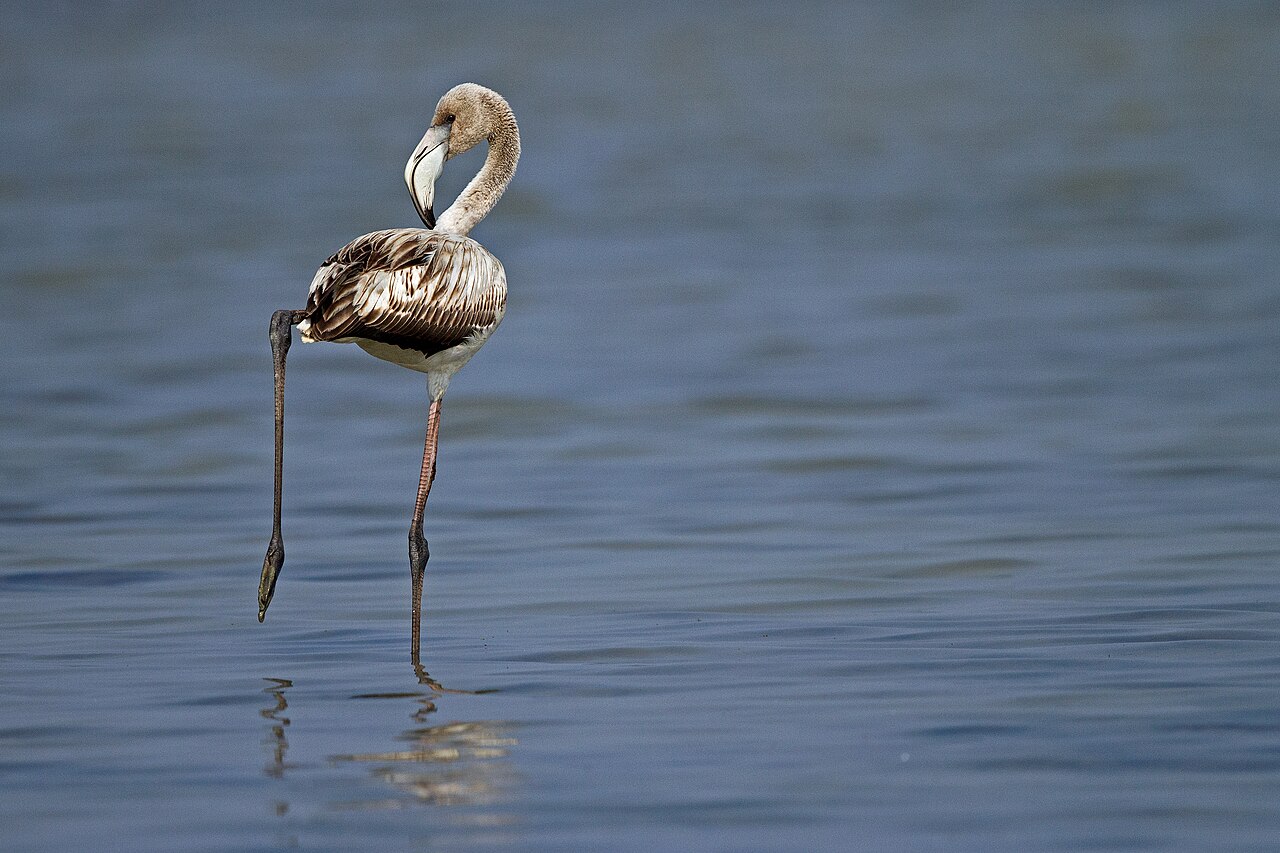
The Pulicat Lake Bird Sanctuary is the reason most people make the trip. Greater and lesser flamingos are the headline attraction, arriving in large flocks during the winter migratory season, and on a good day the shallows can be lined pink and white for as far as you can see. Alongside the flamingos, you can spot painted storks, pelicans, herons, egrets, kingfishers and a long list of other migratory and resident water birds.
The birdwatching season runs roughly from November to February or March. Outside this window, most of the migratory birds have moved on and the lake looks far emptier, so timing genuinely matters here more than at most places near Chennai. If birds are the point of your visit, do not go in the middle of summer expecting flamingos.
Early morning is by far the best time to be out on the water or along the shore. The light is softer, the birds are more active and less disturbed, and the heat has not built up yet. Bring binoculars if you have them, since many birds keep their distance, and a zoom lens helps a great deal if you are photographing rather than just watching.
Boat rides and the fishing lagoon
The classic way to see the lake is a boat ride arranged with a local boatman at Pazhaverkadu. These are small, simple boats rather than tourist cruisers, and they will take you out across the shallows towards the areas where birds gather and the fishing activity is visible up close.
There is no fixed, official pricing structure for most of these rides, so agree the fare and the duration with the boatman before you set off. It also helps to have small notes and coins on you, since change can be an issue in a working fishing village rather than a tourist hub.
Beyond the birds, the boat rides give you a proper look at how the lagoon is used day to day. You will see traditional fishing methods, nets being cast and hauled, and small catamarans and boats coming and going. It is a genuinely working landscape rather than a set piece for visitors, and that is a big part of Pulicat’s charm if you go in with the right expectations.
Dutch heritage: Fort Geldria and the Dutch cemetery
Pulicat has a colonial history that surprises most first time visitors. It was one of the early settlements of the Dutch East India Company on the Coromandel Coast, and Pazhaverkadu once housed Fort Geldria, an important Dutch trading post. Little remains of the fort itself today beyond scattered ruins and traces, so do not expect a grand standing structure.
The most striking reminder of this history is the old Dutch cemetery in the town. It has a collection of carved tombstones, some featuring skeletons and coats of arms in the heavy, ornate style of Dutch colonial memorials. Walking through it is an odd, quiet contrast to the bird sanctuary and the fishing boats, a genuine slice of seventeenth and eighteenth century European history tucked into a Tamil Nadu fishing town. It is worth setting aside twenty to thirty minutes here if heritage interests you at all.
Sriharikota and the space centre (an honest note)
Looking east across the lagoon, you will see the long, narrow barrier island that separates Pulicat Lake from the Bay of Bengal. This is Sriharikota, home to the Satish Dhawan Space Centre, which is ISRO’s main rocket launch site and one of India’s most important space facilities.
We want to be straightforward about this: Sriharikota is a restricted, high security facility and it is not open to the public. You cannot visit the space centre or tour the launch site as part of a Pulicat trip, and no legitimate operator will offer you access. Some visitors do catch a distant glimpse of the island or its infrastructure from certain points around the lake, but that is the extent of it. Treat Pulicat as a birdwatching and heritage trip, not a space centre visit.
Chennai to Pulicat: how to get there
Pulicat Lake is around 55 to 60 km north of Chennai, and the drive typically takes about 1.5 to 2 hours depending on traffic and your exact starting point in the city. The route runs through Chennai’s northern suburbs, generally via Ponneri and Minjur, before reaching Pazhaverkadu on the lake.
Self drive or a hired car with driver is the most comfortable option, since it lets you set your own pace for birdwatching stops along the way. There are also buses connecting Chennai to Pulicat and Pazhaverkadu, though services can be limited and journey times longer, so a private vehicle is worth considering if you are short on time or travelling early in the morning for the birds.
Best time to visit and tips
For flamingos and the bulk of the migratory bird population, plan your visit between November and February, with March sometimes still worthwhile depending on the season. Arrive as early as you reasonably can, since bird activity and boat conditions are both at their best in the cool morning hours before the heat and glare set in.
A few practical points worth keeping in mind before you set off:
- Carry binoculars and, if you have one, a camera with some zoom reach, since many birds stay well offshore.
- Pack sun protection, a hat and enough drinking water, as there is little shade around the open lagoon.
- Keep small cash on hand for boat rides and any local expenses, and always agree the boat price before you start.
- Confirm current sanctuary access and timings before you travel, since these can change with the season and local conditions.
- Wear comfortable, closed footwear if you plan to walk along muddy or sandy stretches near the water.
- Pulicat pairs well with other options if you are researching a one day trip from Chennai, and it is regularly listed among the better tourist places near Chennai for anyone who wants nature and history over shopping and city sights.
Pulicat will not suit everyone. It is offbeat, unpolished and entirely dependent on timing for its main draw, the flamingos. But if you go in the right season, with binoculars, a bit of patience and realistic expectations, it makes for one of the more memorable and honest day trips within reach of Chennai.