Guide details
Best time to visit
Best for a long weekend lunch, when the day’s fresh pots are ready.
How to get there
Outlets are spread across the city, easiest reached by auto, taxi or metro to the nearest hub.
Highlights
Seeraga samba rice, Ambur biryani, Dindigul Thalappakatti, Chettinad style, bhai kadai tradition, Buhari, Anjappar, Ponnusamy, Star Biryani, Ambur Star
Good for
First time visitors, food lovers, families, solo diners, late lunches
Price range
Roughly Rs 150 to Rs 350 for a standard chicken plate, more for mutton or larger portions.
Biryani in Chennai is an everyday meal as much as an occasion. You will find it at a plain roadside kitchen with plastic chairs, at a decades old hotel near the beach, and at air conditioned chains with branches in every neighbourhood. Ask ten people where to go and you will get ten firm answers, usually delivered with some pride. That is part of the fun, and it means there is no single right choice.
The first thing worth clearing up is that Chennai biryani is not Hyderabadi biryani. Hyderabadi versions lean on long grain basmati, a heavier use of yoghurt and saffron, and the dum method where raw marinated meat and rice cook together under a sealed lid. Tamil Nadu biryani tends to be lighter in colour, cooked so the rice and meat come together in one pot, and built around a different grain altogether. If you arrive expecting the Hyderabadi style, you may be surprised. We think it is worth meeting the local version on its own terms.
What makes Chennai biryani different
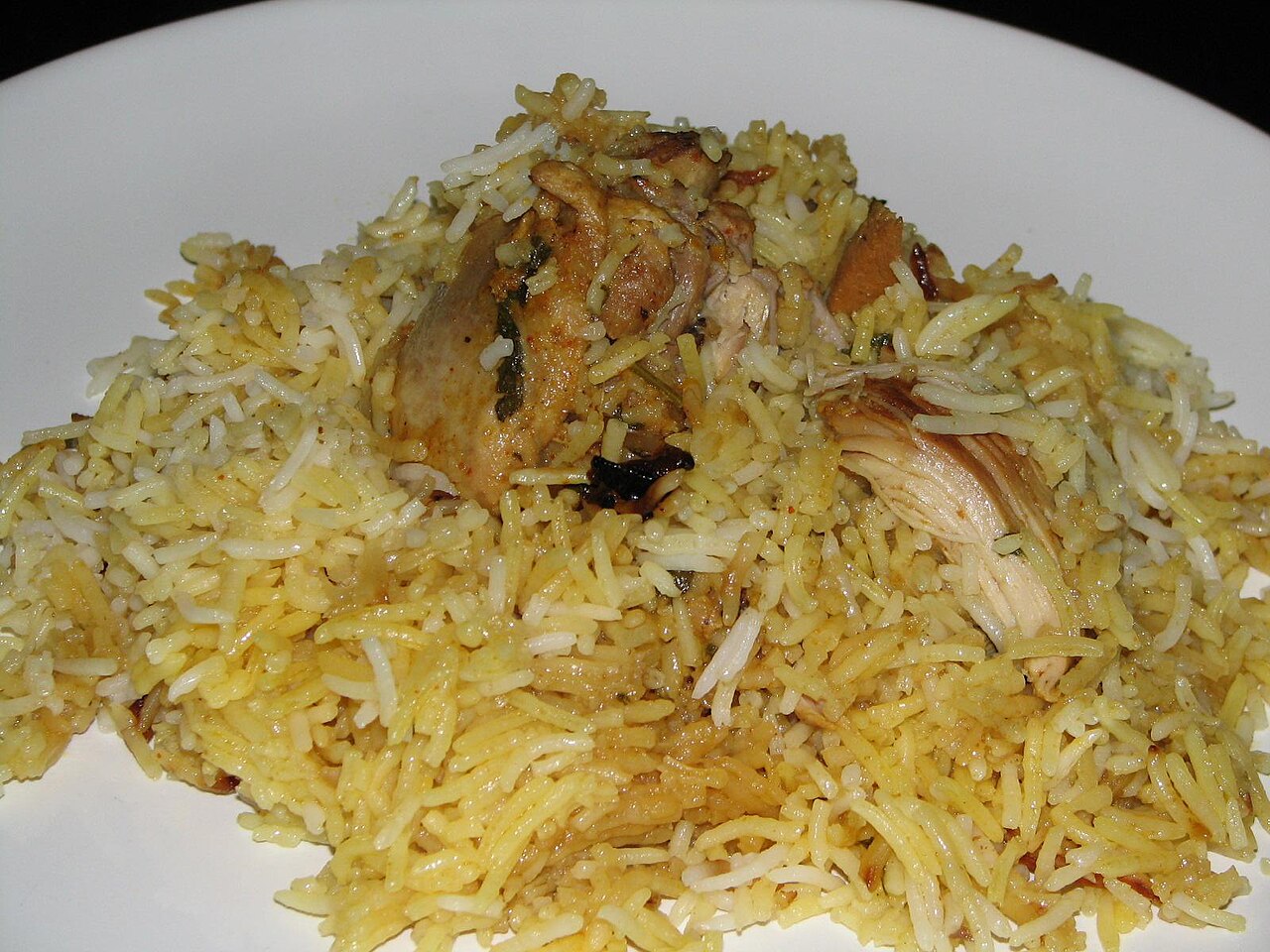
The signature ingredient is seeraga samba, a small, short rice named for its resemblance to cumin seeds, or jeera. It does not have the long, separate grains of basmati. Instead it soaks up the meat stock and spices and turns soft and fragrant, so every mouthful carries the flavour rather than sitting alongside it. Not every Chennai biryani uses seeraga samba, some kitchens and chains use basmati, but the rice is the clearest marker of the regional styles.
The spicing is also different. Tamil Nadu biryani usually keeps the whole spice list shorter and lets ginger, garlic, green chilli and fried onion do the heavy lifting, with less of the sweet, perfumed edge you get further north. The result is savoury and direct. Two regional styles dominate the conversation in Chennai, both named after towns in the state, and both worth knowing before you order.
Ambur biryani
Ambur is a town in the Vellore area with a long biryani tradition tied to its old Muslim community. Ambur biryani is typically made with seeraga samba rice and is known for being relatively restrained, the meat flavour clear, the chilli present but not overwhelming. It is often served with a thin, tangy brinjal gravy called dalcha and a simple onion raita, which cut through the richness nicely.
Several Ambur style outlets operate in Chennai, and Ambur Star is one of the names you will see. Portions are usually generous and prices tend to sit at the everyday end rather than the premium end. If you want to understand what the fuss over seeraga samba is about, an Ambur plate is a good place to start.
Dindigul Thalappakatti biryani
Dindigul, further south in Tamil Nadu, gives its name to the other major style. Dindigul biryani also uses seeraga samba and is generally spicier and more peppery than the Ambur version, with a stronger hit from green chilli and a slightly firmer texture. The Thalappakatti name comes from a founder known by his turban, and the brand has grown from Dindigul into a large chain with branches across Chennai and beyond.
Because it has expanded so far, quality can vary a little between outlets, but the house style is consistent enough that you will recognise it. If you like your biryani with more heat and a bolder edge, this is the one to seek out. The mutton version has a strong following.
Chettinad and the old Muslim hotels
Chettinad cooking comes from the Chettinad region and is famous across Tamil Nadu for its bold, peppery, deeply spiced food. Chains such as Anjappar and Ponnusamy built their reputation on Chettinad dishes, and their biryani sits within that tradition, robust and well spiced, usually served with a side gravy and a boiled egg. These are reliable, comfortable places, easy to find and consistent, and a sensible choice if you are eating with a mixed group who want more than just biryani on the table.
Running alongside the branded chains is the older bhai kadai tradition, the small Muslim run hotels and roadside kitchens, often busiest around the mosque districts and at their best in the middle of the day. These places rarely advertise. The biryani is cooked in big pots, sold until it runs out, and eaten fast at shared tables. Standards vary, so it pays to go where there is a queue of regulars, but a good bhai kadai plate can be the most honest biryani in the city and usually the cheapest.
Well known names to try
None of these is the single best, and local opinion shifts, but these are names that come up again and again and are easy to find.
- Buhari, a historic Chennai name on and around Anna Salai, long associated with the city’s dining history and worth visiting for the sense of place as much as the food.
- Thalappakatti, the Dindigul style chain, widespread and dependable for the spicier southern style.
- Ambur Star, for the milder, seeraga samba led Ambur style.
- Star Biryani, another established name in the Ambur mould with a steady local following.
- Anjappar and Ponnusamy, the Chettinad chains, good all rounders when you want a full meal.
- Your nearest well regarded bhai kadai, if you can get a local to point you to one at lunchtime.
We would treat any list as a starting point rather than a ranking. The best plate is often the one closest to you, cooked fresh that day.
Vegetarian options
Biryani in Chennai is mostly a meat dish, so vegetarians should set expectations accordingly. Dedicated veg biryani does exist, usually made with mixed vegetables and sometimes soya or paneer, and many of the chains and pure vegetarian restaurants offer it. It is a decent meal in its own right, but it is a different thing from the meat versions and rarely uses the same slow built stock. If you are vegetarian and want the fuller Tamil Nadu experience, a good vegetarian restaurant’s meals or a Chettinad style veg spread may satisfy you more than a plain veg biryani will. Do check, as some smaller Muslim hotels cook only meat biryani.
What to know
- Prices. A standard chicken plate commonly runs somewhere around Rs 150 to Rs 350, with mutton dearer and larger or family portions more again. Simple bhai kadai plates can be cheaper, air conditioned chains a little more. Treat these as rough guides, not fixed figures.
- Portions. Servings are usually filling. A single plate is often enough for one hungry person, so order an extra portion to share before doubling up.
- What comes with it. Expect a boiled egg, onion raita and a spicy side gravy such as dalcha or a meat curry as standard. These are part of the meal, not extras.
- Spice. Dindigul and Chettinad styles run hotter, Ambur is gentler. If you are unsure, ask, and keep the raita close.
- When to go. Biryani is a lunch dish here. Fresh pots are ready around midday and the best kitchens can sell out by mid afternoon, so earlier is safer, and weekends are busiest.
The honest advice is to try more than one style before deciding what you like. Have an Ambur plate one day and a Dindigul one the next, sit at a busy bhai kadai for a weekday lunch, and pay attention to the rice. Once you notice what seeraga samba does, ordinary long grain biryani will never feel quite the same. That, more than any single restaurant, is what Chennai biryani has to offer.